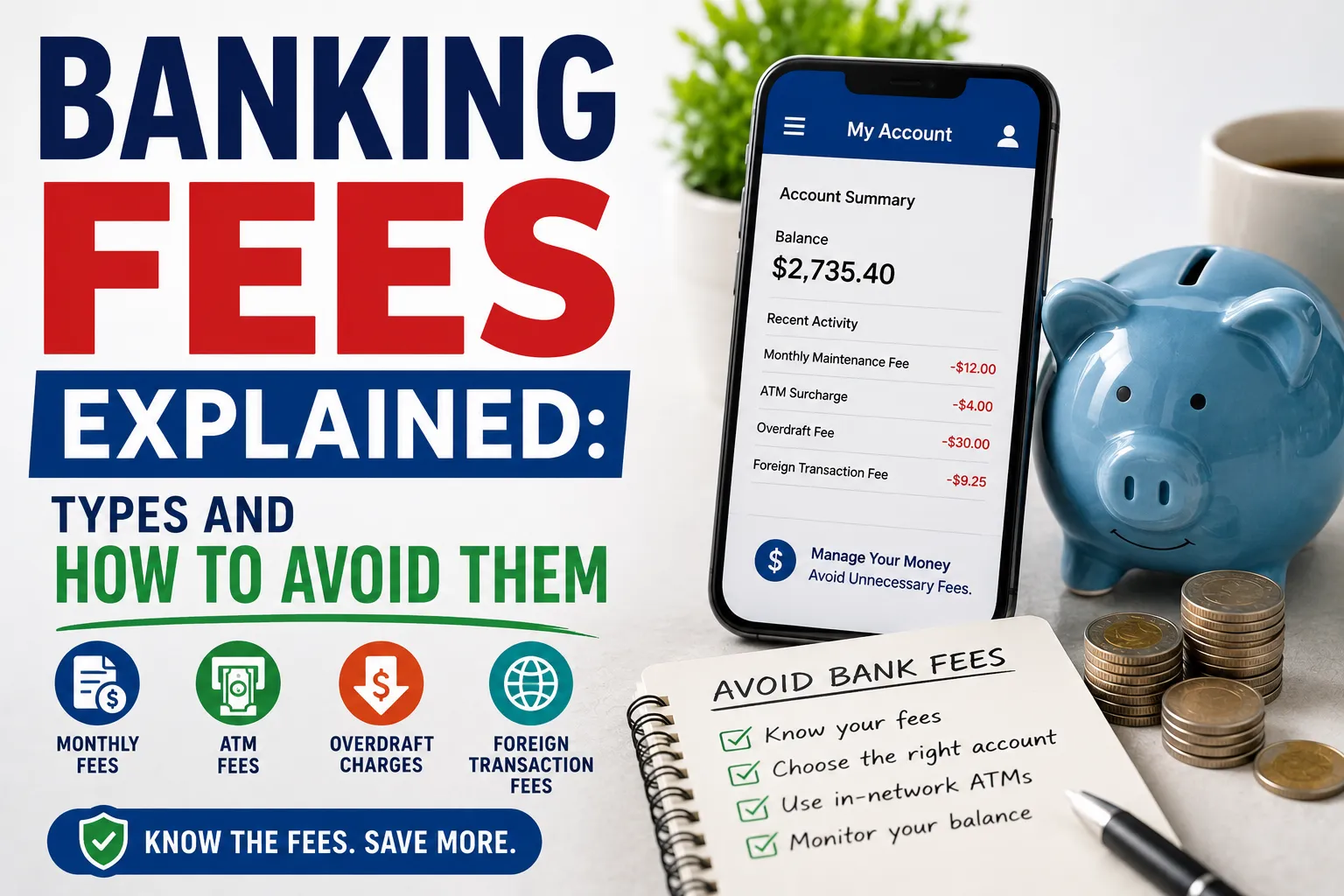
Banking Fees Explained: Types and How to Avoid Them
Banking is supposed to make managing money easier, but the costs attached to everyday financial services can sometimes be difficult to understand. Monthly account charges, ATM fees, overdraft penalties, transfer costs and foreign transaction fees can quietly reduce your balance if you don’t know when they apply.
The good news is that many banking fees are avoidable. Understanding what banks charge, why they charge it and which alternatives are available can help you keep more of your money while choosing accounts and services that better match your financial needs.
For a broader overview of how different bank accounts work and how they fit into everyday money management, see this complete guide to bank accounts and account types.
What Are Banking Fees?
Banking fees are charges a financial institution applies for providing certain products or services. Some fees are charged automatically, while others only apply when you use a particular service or trigger a specific condition.
For example, a bank might charge a monthly maintenance fee for an account, while an ATM fee may apply only when you withdraw cash from an out-of-network machine.
Banking fees can vary considerably depending on:
- The type of bank account you have
- Your account balance
- How frequently you use certain services
- Whether you use the bank’s own ATMs
- Your location
- The type of transaction
- Your account package
- Whether you meet fee-waiver requirements
Because fee structures differ between financial institutions, consumers should always check the current fee schedule for their specific account.
Common Types of Banking Fees
Understanding the major categories of banking fees is the first step toward reducing them.
1. Monthly Maintenance Fees
A monthly maintenance fee is a recurring charge for keeping a bank account open.
Some checking or current accounts have no monthly fee, while others charge a fixed amount each month.
Banks may waive the fee when customers meet certain conditions, such as:
- Maintaining a minimum balance
- Receiving regular direct deposits
- Holding multiple products with the same institution
- Meeting a minimum number of transactions
- Maintaining a qualifying account package
How to Avoid Monthly Account Fees
Before opening an account, determine whether the monthly charge can be waived.
If your bank charges a maintenance fee that you cannot reasonably avoid, compare the account with other options. A supposedly convenient account can become expensive over several years if you are paying for services you rarely use.
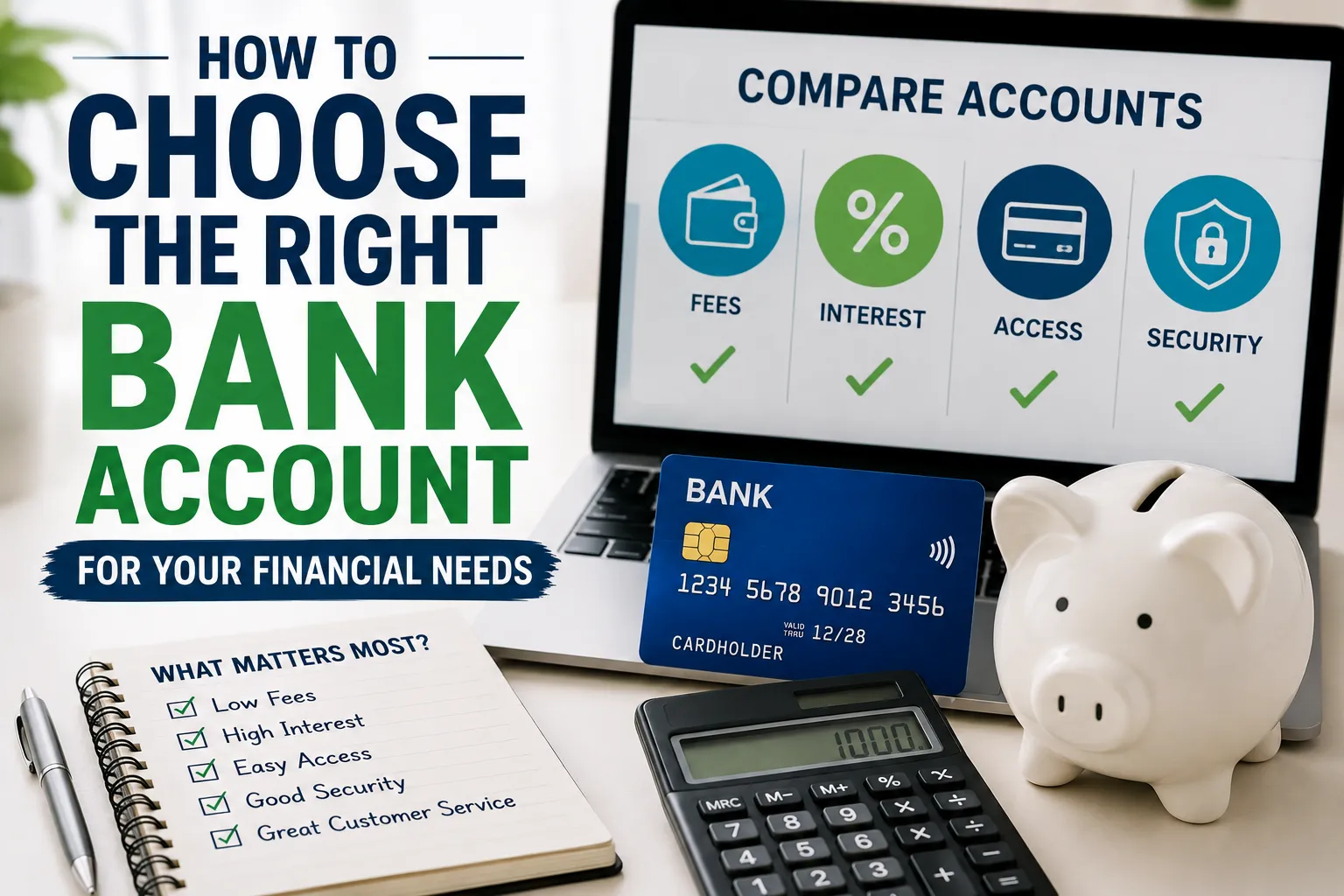
You can also compare different account structures in this guide to choosing the right bank account for your financial needs.
2. ATM Fees
ATM fees can occur when you withdraw cash, particularly when using an ATM outside your bank’s network.
You may encounter:
- A fee from your own bank
- A surcharge from the ATM operator
- International ATM fees
- Foreign currency conversion costs
In some situations, multiple charges can apply to a single withdrawal.
How to Reduce ATM Fees
The simplest strategy is to use ATMs within your bank’s network whenever possible.
You can also:
- Use your bank’s mobile app to locate supported ATMs
- Withdraw larger amounts less frequently when appropriate
- Plan cash withdrawals before traveling
- Check whether your bank reimburses certain ATM fees
- Avoid unfamiliar standalone ATMs when lower-cost alternatives are available
When traveling internationally, check your bank’s foreign ATM and currency-conversion policies before leaving.
3. Overdraft Fees
An overdraft can occur when a transaction exceeds the amount of money available in an account and the bank allows the transaction to proceed.
Depending on the institution and account, customers may face an overdraft fee.
Overdraft policies can vary significantly, so consumers should understand:
- Whether overdraft protection is available
- What transactions can trigger an overdraft
- How much an overdraft may cost
- Whether there are daily limits
- Whether linked savings accounts can cover shortfalls
- Whether transactions are declined instead of approved
How to Avoid Overdraft Charges
Keeping track of your available balance is one of the simplest ways to reduce overdraft risk.
Useful strategies include:
- Setting low-balance alerts
- Tracking automatic payments
- Keeping a small emergency buffer
- Reviewing pending transactions
- Linking eligible accounts where appropriate
- Turning on account notifications
It’s also important to remember that your available balance may not always reflect every transaction immediately.
4. Insufficient Funds Fees
An insufficient funds fee may occur when an attempted transaction cannot be completed because there isn’t enough money available in the account.
This can be particularly problematic with recurring payments.
For example, a customer may have enough money today but forget that an automatic bill payment is scheduled for tomorrow.
How to Prevent Insufficient Funds Charges
Create a system for monitoring recurring payments.
A simple calendar or budgeting app can help you keep track of:
- Rent or mortgage payments
- Utility bills
- Subscription services
- Loan payments
- Insurance premiums
- Credit card payments
Keeping a reasonable cash buffer can also reduce the chance that a small timing difference causes a payment problem.
5. Wire Transfer Fees
Wire transfers are generally used to move money quickly between financial institutions.
Banks may charge different amounts depending on whether the transfer is:
- Domestic
- International
- Incoming
- Outgoing
International transfers can involve additional costs from intermediary or receiving institutions.
How to Reduce Transfer Costs
Before sending a large transfer, compare the total cost rather than looking only at the advertised transfer fee.
Consider:
- Transfer fees
- Exchange-rate margins
- Intermediary charges
- Receiving-bank fees
- Processing times
For routine transfers, another payment method may be more economical depending on the circumstances.
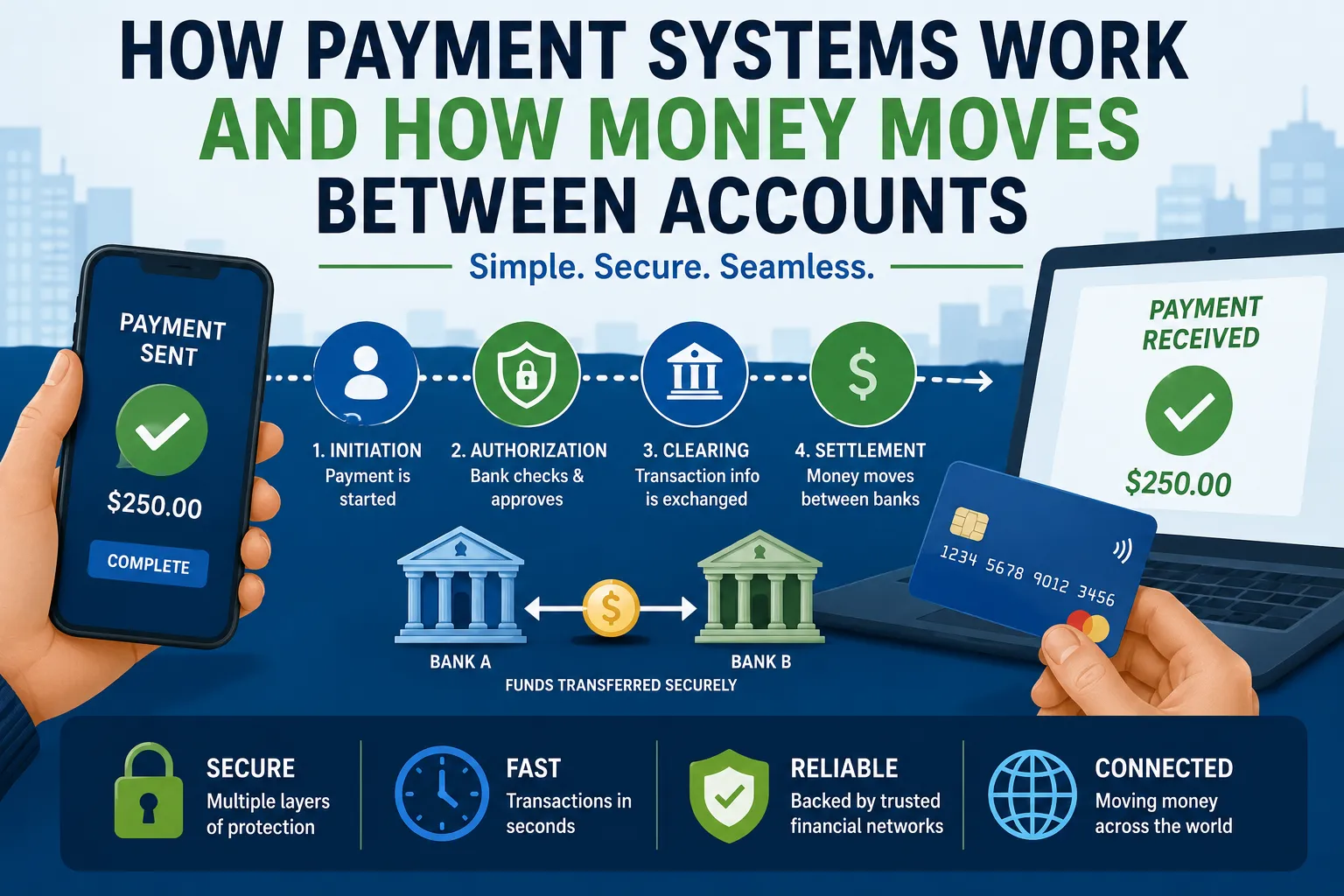
For a broader explanation of how transfers and other payment methods move money between accounts, see how payment systems work and how money moves between accounts.
6. Foreign Transaction Fees
Foreign transaction fees can apply when you use a card or account for purchases processed outside your home country.
These charges can become significant for frequent travelers or people who regularly purchase goods and services internationally.
There may also be currency-conversion costs.
How to Avoid Foreign Transaction Fees
Before traveling or making international purchases, check your card’s terms.
Look for products that specifically offer:
- No foreign transaction fees
- Competitive exchange rates
- Low international ATM charges
- Transparent currency-conversion policies
Never assume that a card advertised as travel-friendly automatically has the lowest total cost.
7. Currency Conversion Fees
Currency conversion occurs when money is exchanged from one currency into another.
The cost isn’t always presented as a straightforward fee.
Instead, the financial institution may incorporate a margin into the exchange rate.
For example, two providers could advertise similar transaction fees but offer different exchange rates. The provider with the lower visible fee may actually be more expensive once the exchange-rate difference is considered.
How to Compare Currency Costs
When comparing international banking services, look at the total amount the recipient receives, not just the advertised fee.
This gives you a more realistic picture of the transaction’s cost.
8. Account Closure Fees
Some financial products may charge fees when an account is closed, particularly under certain circumstances or shortly after opening.
Not every bank charges this type of fee.
Before opening an account, review the terms to determine whether closing the account could result in a charge.
9. Paper Statement Fees
Some financial institutions charge customers who request printed statements or certain paper-based documents.
Digital statements can eliminate this expense where available.
Electronic statements also make it easier to search and organize financial records.
However, consumers should retain important financial documents according to their personal record-keeping needs.
10. Returned Payment Fees
A returned payment fee may apply when a payment submitted to a financial institution cannot be processed.
This can happen because of insufficient funds or other account-related issues.
Returned payments can create additional problems when the unpaid biller also applies its own fee.
Keeping sufficient funds available and monitoring scheduled payments can reduce this risk.
11. Cash Deposit and Withdrawal Fees
Some accounts may impose charges for certain cash transactions, especially when they involve services outside the account’s standard terms.
Business accounts may have more complex cash-handling fee structures than ordinary personal accounts.
If your financial activity involves frequent cash deposits, review the account’s transaction limits and pricing before choosing an account.
12. Check Fees
Traditional checks can involve several potential charges, including:
- Check-order fees
- Stop-payment fees
- Returned-check fees
- Expedited processing fees
While digital payments have reduced the use of checks in many markets, they remain relevant for some individuals and businesses.
If you still use checks, understand the associated charges and consider whether electronic alternatives are appropriate.
Why Do Banks Charge Fees?
Banking institutions have operating costs.
Banks need to maintain:
- Branches
- ATMs
- Payment networks
- Digital banking platforms
- Customer support systems
- Security infrastructure
- Fraud prevention systems
- Compliance programs
- Data centers
- Financial processing systems
Fees can help financial institutions recover some of these costs.
However, fees also differ because banks use different business models and compete for different types of customers.
Some institutions emphasize low fees, while others offer premium services with higher charges.
The important question for consumers isn’t whether a bank charges any fees. It’s whether the fees match the value and services they actually receive.
How to Read a Bank Fee Schedule
A bank’s fee schedule can look complicated, but you don’t necessarily need to understand every line before opening an account.
Start by identifying the fees most likely to affect you.
Look for:
- Monthly account charges
- Minimum balance requirements
- ATM fees
- Overdraft charges
- Transfer fees
- International transaction fees
- Cash transaction charges
- Statement fees
- Account closure conditions
- Other frequently used services
Pay particular attention to language such as “waived if”, “after”, “per transaction” and “minimum balance.”
These conditions can make a significant difference to the actual cost of an account.
How to Avoid Banking Fees
You don’t necessarily need to eliminate every banking fee. The goal is to avoid unnecessary charges while paying reasonable costs for services you genuinely need.
Choose the Right Account
Don’t select an account solely because the bank has a recognizable name.
Compare:
- Monthly fees
- ATM access
- Transaction limits
- Digital banking features
- Transfer costs
- Minimum balance requirements
- International services
- Customer support
The cheapest account isn’t always the best account if it lacks services you regularly need.
Maintain Required Balances
If your account offers a monthly fee waiver for maintaining a certain balance, determine whether you can consistently meet the requirement.
However, don’t keep significantly more money in an account solely to avoid a small fee if that money could be serving a more important purpose elsewhere.
Set Up Banking Alerts
Banking notifications are one of the easiest ways to prevent avoidable charges.
Consider enabling alerts for:
- Low balances
- Large transactions
- Card purchases
- ATM withdrawals
- Incoming deposits
- Upcoming payments
- Suspicious activity
Real-time notifications can help you identify problems before they become expensive.
Use In-Network ATMs
ATM fees are often unnecessary when you have convenient access to your bank’s network.
Before withdrawing cash, check whether the machine is part of your bank’s supported network.
Review Your Statements Regularly
A monthly statement review can reveal charges you didn’t realize you were paying.
Look for recurring fees and unfamiliar transactions.
If you see a charge you don’t understand, contact your financial institution and ask what caused it.
Ask About Fee Waivers
Customers sometimes assume that every listed fee is non-negotiable.
That isn’t always the case.
Depending on the institution and circumstances, customer-service representatives may be able to explain eligibility for a waiver, account upgrade or lower-cost alternative.
Never assume a fee will be reversed, but it can be worth asking when a legitimate issue has occurred.
Are Online Banks Cheaper?
Online banks often have lower operating costs than traditional branch-based institutions, which can allow some of them to offer lower fees.
However, this doesn’t mean every online bank is automatically cheaper.
Compare the entire fee structure.
An online account may offer low monthly fees but have limitations involving:
- Cash deposits
- ATM access
- International transactions
- Customer support
- Physical branches
- Specialized banking services
The right choice depends on how you use your account.
For more on the technology and services behind online financial accounts, see how digital banking and online banking work.
Banking Fees vs. Interest Earnings
A useful way to evaluate a bank account is to consider both what you pay and what you earn.
For example, an account might have a low monthly fee but offer little or no interest on eligible balances.
Another account could charge a modest fee but provide additional benefits or a higher interest rate.
Instead of comparing one fee at a time, estimate your total annual value.
A simple calculation is:
Annual banking cost = fees paid − interest or rewards earned
The calculation can be expanded to include other measurable benefits depending on the account.
Common Banking Fee Mistakes
Even financially careful consumers can accidentally incur unnecessary charges.
Ignoring Minimum Balance Requirements
A customer may open an account without realizing that falling below a particular balance triggers a monthly fee.
Forgetting Automatic Payments
Recurring subscriptions and bills can create unexpected overdraft or insufficient-funds problems.
Using the Wrong ATM
A convenient ATM can be expensive if it is outside your bank’s network.
Paying for Unused Services
Some premium accounts include features that customers rarely use.
Ignoring Small Recurring Fees
A small monthly fee can become a substantial annual expense.
For example, a $10 monthly charge adds up to $120 per year.
Failing to Compare Accounts
Staying with the same account indefinitely can mean continuing to pay fees that could potentially be avoided elsewhere.
How Much Can Banking Fees Really Cost?
The answer depends entirely on the account and how you use it.
Consider a hypothetical customer who pays:
- $10 monthly maintenance fee
- $4 ATM surcharge once per month
- $30 overdraft fee twice per year
The annual cost would be:
$120 + $48 + $60 = $228
That’s before considering other potential transaction charges.
The example illustrates why seemingly minor fees deserve attention.
A few dollars here and there can become hundreds of dollars over time.
Questions to Ask Before Opening a Bank Account
Before choosing a new account, ask:
- Is there a monthly maintenance fee?
- How can the fee be waived?
- Is there a minimum balance requirement?
- Which ATMs are free?
- Are out-of-network ATM fees reimbursed?
- What happens if I overdraw the account?
- Are there transfer fees?
- Are international transactions supported?
- Are there cash deposit limits or fees?
- Are paper statements free?
- Are there account closure fees?
- What additional services cost extra?
Getting these answers in advance can prevent unpleasant surprises later.
A Simple Banking Fee Checklist
Use this checklist whenever you’re comparing financial institutions:
| Fee Type | What to Check |
|---|---|
| Monthly maintenance | Can it be waived? |
| ATM | Which machines are free? |
| Overdraft | What triggers the charge? |
| Insufficient funds | What happens when payments fail? |
| Transfers | Are domestic transfers free? |
| International | What are the total costs? |
| Currency conversion | What exchange rate is used? |
| Cash deposits | Are limits or fees involved? |
| Paper statements | Are digital statements free? |
| Account closure | Are there conditions or charges? |
Banking Smarter Starts With Knowing the Rules
Banking fees aren’t always avoidable, but many unnecessary charges can be reduced through better account selection and simple financial habits.
The most effective strategy is to understand the fee structure before opening an account, monitor your transactions regularly and use services that minimize unnecessary costs.
A bank account should support your financial goals rather than quietly work against them. By comparing total costs, taking advantage of legitimate fee waivers and staying aware of how your account works, you can keep more of your money and make your everyday banking more efficient.
Banking fees, policies and consumer protections vary by financial institution and country. Always review the current terms and fee schedule for your specific account before making financial decisions.