How to Protect Your Bank Account From Fraud
Your bank account can hold your emergency fund, salary, savings, and money set aside for everyday expenses. That makes it an attractive target for criminals who use phishing, impersonation, stolen passwords, card theft, malware, social engineering, and other techniques to gain access to financial information.
The good news is that protecting a bank account does not require extraordinary technical knowledge. Many of the most effective defenses involve simple habits: using strong authentication, monitoring transactions, questioning unexpected requests, protecting personal information, and contacting your bank quickly when something looks wrong.
Fraud prevention is especially important because scammers increasingly rely on convincing messages and impersonation rather than obvious-looking schemes. Common scams often involve someone pretending to be a trusted institution, creating urgency, requesting personal information, or directing victims toward difficult-to-recover payment methods.
For a broader overview of account types and how they fit into everyday banking, see the complete guide to bank accounts and account types.
Why Bank Accounts Are Attractive Targets
A bank account can provide direct access to money.
Criminals may try to obtain:
- Online banking usernames
- Passwords
- Debit card numbers
- PINs
- Verification codes
- Account numbers
- Personal identification information
- Access to a phone number or email account
- Answers to security questions
They do not always need to physically steal a card or break into a bank.
A convincing text message, fake website, phone call, or compromised password can sometimes be enough to begin an attack.
Understand How Bank Fraud Happens
Knowing the most common methods makes suspicious activity easier to recognize.
Phishing
Phishing involves fraudulent emails, text messages, websites, or other communications designed to trick you into revealing sensitive information.
A message might claim that:
- Your account has been locked.
- A suspicious transaction was detected.
- Your payment failed.
- Your account needs verification.
- Your card is about to expire.
The message then directs you to a link.
The safest response is usually to avoid the link and contact the bank through its official website, mobile application, or phone number.
Avoid clicking links or scanning QR codes from messages you do not recognize or trust.
Beware of Fake Bank Calls
One particularly convincing scam involves someone calling and claiming to be from your bank’s fraud department.
The caller may already know your name or some information about you.
They might say:
“We detected suspicious activity on your account.”
The goal is to create fear and urgency.
The caller may then ask for:
- A password
- PIN
- Verification code
- Card number
- Account information
- A transfer to another account
Do not assume a caller is legitimate simply because the caller ID displays your bank’s name.
Caller ID can be manipulated.
Instead, end the conversation and contact the bank using a trusted number from your card, statement, or official website.
Never Give Someone a Verification Code
A one-time verification code is designed to prove that the person logging into an account is actually authorized to access it.
If a scammer has your username and password, obtaining the verification code may give them the final piece they need.
Never share verification codes with someone who contacts you unexpectedly. Be equally cautious about anyone who asks you to transfer money supposedly to “protect” it from fraud.
A legitimate fraud department should not need you to read a security code to them so they can “secure” your account.
Never Move Money to “Protect” It
This deserves special attention because it is a highly convincing scam.
A criminal may claim that someone has compromised your bank account and that you must move your money to a “safe account.”
That safe account belongs to the scammer.
Do not transfer money simply because someone claims it is necessary to protect the funds.
If someone tells you to:
- Transfer your savings
- Withdraw cash
- Buy cryptocurrency
- Purchase gift cards
- Send money to a new “secure” account
stop and independently contact your financial institution.
Use a Strong, Unique Password
Your bank password should not be reused on other websites.
If another website suffers a data breach and your password is exposed, criminals may try the same username-and-password combination against your bank account.
A strong password should be:
- Long
- Unique
- Difficult to guess
- Not based on easily discovered personal information
A password manager can help generate and store unique passwords without requiring you to memorize every one.
Turn On Multi-Factor Authentication
Multi-factor authentication, sometimes called two-factor authentication or MFA, adds another layer of security beyond a password.
Depending on the bank, the second factor may involve:
- An authenticator application
- A security key
- A verification code
- Biometric authentication
- Another approved authentication method
Multi-factor authentication makes an account more secure because an attacker who obtains your password still needs an additional authentication factor.
If your bank offers MFA, enable it.
Protect Your Email Account Too
Your email account can be a gateway to your finances.
If someone gains access to your email, they may be able to:
- Reset passwords
- Read bank notifications
- Intercept account information
- Discover financial institutions you use
- Attempt to change account settings
Use a strong, unique password and multi-factor authentication on your primary email account as well.
Protecting your bank account therefore starts before you ever open the banking app.
Secure Your Phone
Your smartphone may contain:
- Banking applications
- Authentication tools
- Text messages
- Payment applications
- Personal information
Use a screen lock such as a strong passcode or supported biometric authentication.
Keep the phone’s operating system and applications updated.
Avoid installing applications from suspicious sources.
If your phone is lost or stolen, contact your mobile provider and financial institutions when appropriate.
Be Alert to SIM-Swap Fraud
In a SIM-swap attack, criminals attempt to persuade a mobile provider to transfer your phone number to a SIM card they control.
If successful, they may receive calls and text messages intended for you.
That can create problems for accounts that rely on text messages for authentication.
Consider asking your mobile provider about available account security features, such as an account PIN or other protections against unauthorized changes.
Don’t Bank on Public Wi-Fi Without Thinking About Security
Public Wi-Fi networks can create additional security risks, particularly when users connect to networks they cannot verify.
When accessing financial accounts:
- Prefer your trusted mobile connection or a secure network.
- Avoid unfamiliar networks.
- Keep your device updated.
- Use the bank’s official application or website.
- Never ignore browser security warnings.
The safest approach is to avoid entering sensitive financial information on networks you do not trust.
Verify the Website Before Logging In
Phishing websites can look remarkably similar to legitimate banking websites.
Before entering your credentials, check:
- The website address
- The spelling of the domain
- Whether the connection is secure
- Whether you reached the site through an unexpected link
Even better, access the bank by typing its known web address yourself or using the official banking application.
Avoid clicking a link in an unexpected text message or email to access your account.
Don’t Trust Caller ID Alone
Caller ID can be spoofed.
A call that appears to come from your bank may actually originate elsewhere.
The same applies to messages that appear to come from a familiar organization.
If something seems unusual, verify it independently.
Contact the financial institution or organization using an official phone number or website rather than information supplied by the suspicious caller or message.
Learn the Most Common Scam Warning Signs
Several warning signs should immediately increase your suspicion.
Be cautious when someone:
- Creates extreme urgency
- Threatens you
- Claims your money is in immediate danger
- Requests passwords
- Requests verification codes
- Demands payment through unusual methods
- Tells you to keep the conversation secret
- Refuses to let you verify their identity
- Asks you to install remote-access software
- Tells you to move money to another account
Scammers often combine several of these techniques to overwhelm victims emotionally.
The best defense is to slow down.
Urgency Is a Manipulation Technique
Fraudsters often want you to make a decision before you have time to think.
A message might say:
“Respond within 10 minutes.”
Or:
“Your account will be closed today.”
Or:
“You must transfer the money immediately.”
Legitimate financial problems can be checked independently.
You do not need to obey an unexpected message simply because it sounds urgent.
Pause.
Verify.
Then act.
Monitor Your Bank Account Regularly
One of the simplest defenses is also one of the most effective: look at your transactions.
Review:
- Purchases
- ATM withdrawals
- Transfers
- Direct debits
- Recurring payments
- Bank fees
- Online transactions
Regular monitoring can help you identify suspicious activity quickly. Criminals sometimes test stolen information with a small transaction before attempting larger ones.
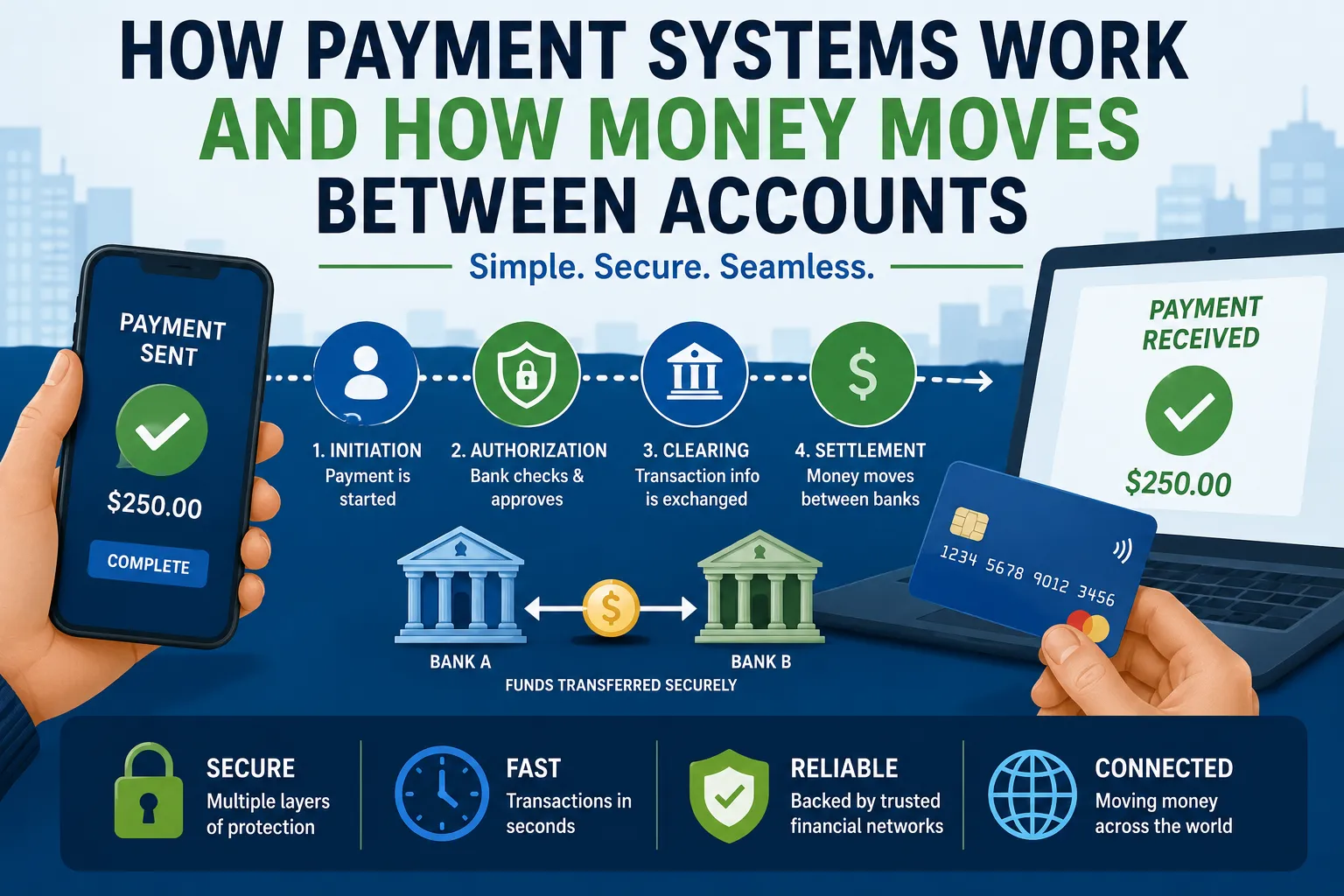
Understanding how money moves through accounts can also make unusual activity easier to identify. See how payment systems work and how money moves between accounts.
Don’t Ignore Small Unknown Transactions
A small unfamiliar charge can be easy to dismiss.
That can be a mistake.
Fraudsters may test whether stolen account information works before attempting a larger transaction.
If you see an unfamiliar transaction, investigate it rather than assuming it is harmless.
First confirm that you do not recognize the merchant under another trading name or through a legitimate household purchase.
If it remains unexplained, contact the bank.
Turn On Transaction Alerts
Many banks allow customers to receive notifications for activities such as:
- Debit-card purchases
- ATM withdrawals
- Transfers
- Online transactions
- Login attempts
- Password changes
Where available, these alerts can provide an early warning that something is wrong.
The faster you notice suspicious activity, the faster you can respond.
Review Bank Statements
Even if you receive instant notifications, review your statements periodically.
Look for:
- Unknown merchants
- Duplicate transactions
- Unexpected fees
- Unrecognized transfers
- Automatic payments you no longer recognize
Fraud can sometimes be hidden among ordinary transactions.
A regular review makes unusual activity easier to spot.
Keep Your Debit Card Secure
Your debit card provides a direct connection to your bank account.
Protect it carefully.
Avoid:
- Sharing the card
- Photographing the card unnecessarily
- Leaving it unattended
- Writing the PIN on the card
- Storing the PIN with the card
If you lose your card, report it promptly.
For U.S. consumers, the timing of reporting a lost or stolen debit card can affect potential liability for unauthorized transactions. Reporting quickly generally provides stronger protection under applicable federal rules.
Rules differ by country, bank, and account type, so consumers should check the protections applicable to their financial institution.
Protect Your PIN
Never share your PIN with someone who contacts you unexpectedly.
Avoid writing it on your card.
When using an ATM, shield the keypad from people nearby and be aware of suspicious devices or unusual behavior around the machine.
If you believe someone has obtained your PIN, contact your bank promptly.
Be Careful With ATMs
Before using an ATM, check for anything that looks unusual.
Potential warning signs include:
- Loose components
- Unusual card slots
- Strange overlays
- Suspicious cameras
- People attempting to distract you
Use ATMs in secure, well-lit locations when possible.
If an ATM appears tampered with, use another machine and notify the institution responsible for it.
Protect Your Bank Details
Your account number may need to be shared in legitimate circumstances, but avoid providing financial information unnecessarily.
Be particularly cautious when someone unexpectedly requests:
- Full account details
- PIN
- Password
- Security answers
- Verification codes
- Debit-card information
Avoid providing account information over the phone unless you made the call and understand why the information is needed.
Be Careful With Social Media
Fraudsters can use social media to gather information about potential victims.
Public posts may reveal:
- Your birthday
- Employer
- Family members
- Location
- Pet’s name
- Travel plans
- Phone number
- Email address
Some of these details may also be used to guess passwords or security questions.
Review your privacy settings and avoid sharing information that could help someone impersonate you.
Be Skeptical of Unexpected Investment Opportunities
Investment scams can target bank accounts by convincing victims to transfer money voluntarily.
A scammer may promise:
- Guaranteed returns
- Secret investment opportunities
- Immediate profits
- Exclusive access
- Low-risk high returns
The combination of urgency and unrealistic returns should raise suspicion.
Never transfer money simply because someone online claims to have a profitable opportunity.
Be Careful With Romance Scams
Romance scammers often build relationships over time before requesting money.
They may claim to need funds for:
- Medical expenses
- Travel
- Emergencies
- Legal problems
- Business opportunities
The emotional connection can make the request seem more credible.
Never assume an online relationship makes a financial request legitimate.
Don’t Let Someone “Help” You by Taking Remote Control
Scammers may ask you to install software that gives them remote access to your computer or phone.
They may claim this is necessary to:
- Fix a banking problem
- Remove malware
- Secure your account
- Process a refund
- Investigate fraud
Giving an unknown person remote access can expose passwords, financial information, and other sensitive data.
If you need technical support, contact the company through its official website.
Keep Your Devices Updated
Software updates frequently include security improvements.
Keep current versions of:
- Operating systems
- Banking applications
- Web browsers
- Security software
- Other frequently used applications
Enable automatic updates when appropriate.
An outdated device can expose you to vulnerabilities that have already been addressed by newer software.
Be Careful With QR Codes
QR codes can make phishing easier because people may scan them without examining the destination.
An unexpected QR code in an email, text, poster, or message could lead to a fraudulent website.
Before scanning, ask:
Why am I being asked to scan this?
If the request is unexpected, verify it independently.
Don’t Store Sensitive Information Carelessly
Avoid keeping unnecessary copies of:
- Bank statements
- Card numbers
- PINs
- Passwords
- Security codes
in easily accessible locations.
If sensitive documents are no longer needed, dispose of them securely.
Digital documents should also be protected with appropriate device and account security.
Be Careful When Sending Money
Before transferring money, verify:
- Recipient name
- Account details
- Amount
- Reason for payment
- Instructions
For significant transfers, independently confirm the details.
This is especially important when payment instructions arrive unexpectedly by email.
If someone says the bank account for a payment has suddenly changed, verify the change through another trusted communication channel.
Watch for Business Email Compromise
Businesses and individuals can both be targeted by criminals who impersonate:
- Employers
- Suppliers
- Contractors
- Lawyers
- Family members
- Accountants
A scammer may request that an existing payment be redirected to a new bank account.
Never rely solely on email for major changes to payment instructions.
Confirm them independently using a known phone number or another trusted channel.
Protect Against Check Fraud
Checks can still be targeted by criminals.
If you use checks:
- Keep them secure.
- Avoid leaving blank signed checks accessible.
- Monitor your account.
- Mail checks securely.
- Review cleared checks where available.
Contact your bank quickly if you discover an unauthorized check. Protections can depend on how the check was processed and applicable law.
Separate Everyday Spending From Savings
Some people choose to maintain separate accounts for different purposes.
For example:
Everyday account: bills, groceries, transportation, and routine spending.
Savings account: emergency fund and longer-term savings.
This can make it easier to monitor unusual activity and reduce the amount of money exposed through everyday transactions.
The right account structure depends on your financial institution and personal circumstances.
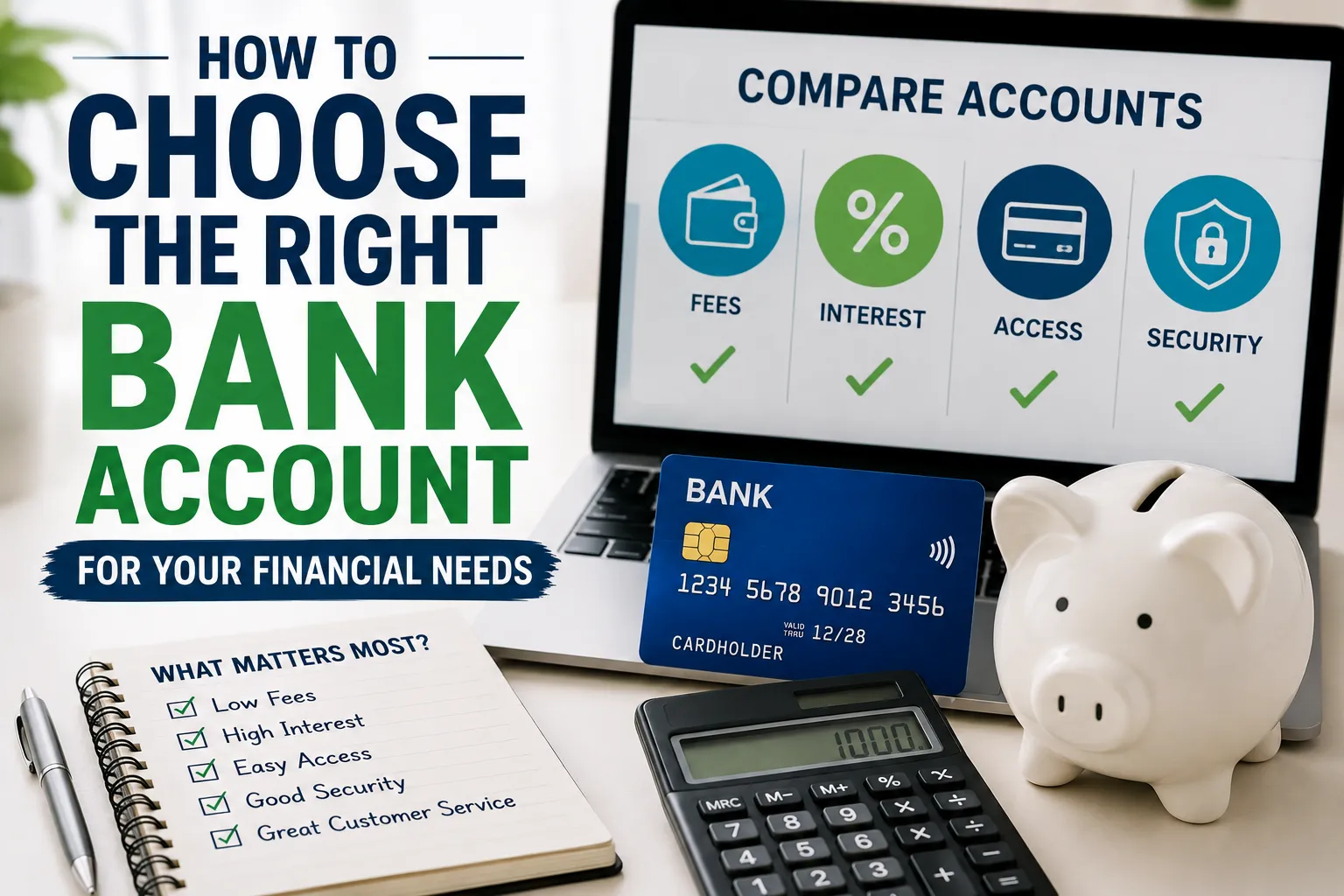
For readers who want a better understanding of the role of checking accounts in everyday spending, see the complete guide to checking accounts and everyday banking.
Keep Less Money in High-Exposure Accounts
A practical strategy is to avoid keeping every dollar in an account used for frequent purchases.
For example, if your everyday account is used for debit-card transactions, you might keep only the amount needed for regular expenses there while holding longer-term savings separately.
This does not eliminate fraud risk, but it can reduce the amount immediately exposed if the everyday account is compromised.
Be Careful With Automatic Payments
Automatic payments are convenient, but forgotten subscriptions and unauthorized debits can remain unnoticed.
Review recurring payments periodically.
Cancel services you no longer use and investigate unfamiliar withdrawals.
If you need to stop an automatic payment, contact the merchant and your bank as appropriate. Rules and procedures vary by jurisdiction and payment type.
What to Do If You Spot Fraud
If you notice an unauthorized transaction, act quickly.
1. Contact Your Bank
Use the bank’s official contact information.
Tell them exactly what you found.
2. Secure the Account
Ask what steps are necessary to prevent additional unauthorized activity.
This may include changing credentials, blocking a card, or closing an account.
3. Document Everything
Keep records of:
- Transaction dates
- Amounts
- Reference numbers
- Names of representatives
- Dates and times of calls
- Emails
- Messages
- Case numbers
Documentation can make follow-up much easier.
4. Change Compromised Passwords
If you believe your login credentials were exposed, change the password immediately.
Do not reuse the compromised password elsewhere.
If the same password was used on other accounts, change it there as well.
5. Check Other Accounts
If one financial account was compromised, review your other accounts for suspicious activity.
Check:
- Credit cards
- Investment accounts
- Payment applications
- Mobile accounts
A single compromised password or piece of personal information can affect multiple services.
Report Fraud Promptly
The appropriate reporting process depends on your country.
In the United States, consumers can report scams and fraud to the appropriate federal agencies and contact relevant law enforcement authorities. Consumers should also contact their financial institution promptly and use trusted official contact information.
Consumers elsewhere should use the official fraud-reporting and financial-protection agencies applicable to their country.
Understand Your Legal Protections
Consumers should not assume that every fraudulent transaction receives the same legal treatment.
Protections can depend on:
- Country
- Account type
- Payment method
- How the fraud occurred
- How quickly you reported it
- Whether you authorized the transaction
- Applicable financial regulations
For example, U.S. federal Regulation E provides specific protections concerning certain unauthorized electronic fund transfers, subject to its conditions and limitations.
Your bank or financial regulator can explain the rules applicable to your particular situation.
Why Reporting Speed Matters
When fraud occurs, time can matter.
The longer an unauthorized transaction goes unnoticed, the more opportunities a criminal may have to continue accessing an account.
Notify your bank or credit union quickly after discovering an unauthorized transaction.
Make account monitoring part of your regular financial routine rather than waiting for the bank to contact you.
A Simple Bank Account Security Checklist
Use this checklist to review your current defenses:
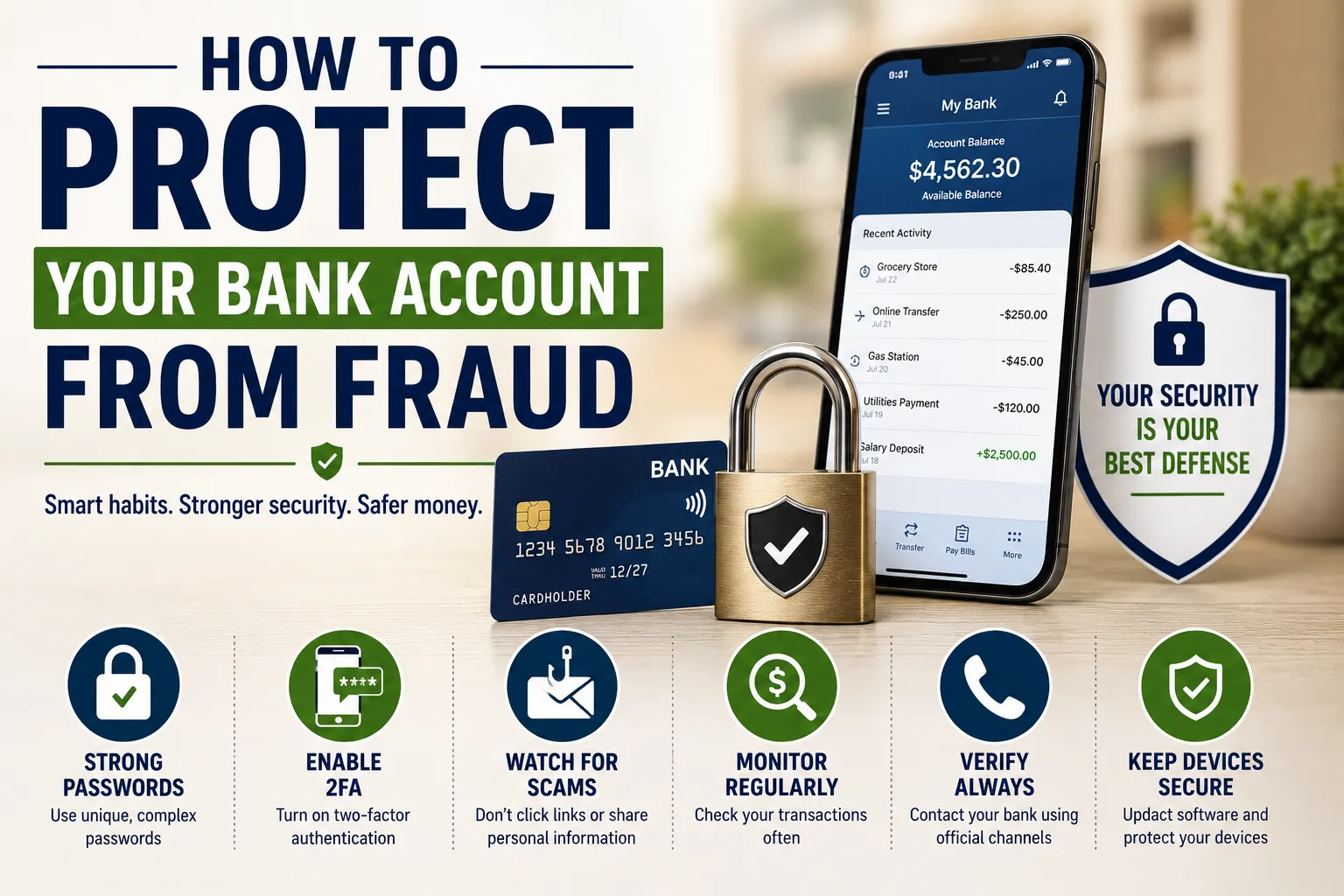
- Use a unique banking password
- Enable multi-factor authentication
- Secure your primary email account
- Use a phone screen lock
- Keep devices and apps updated
- Turn on transaction alerts
- Review statements regularly
- Never share verification codes
- Never move money because an unexpected caller tells you to
- Avoid suspicious links and QR codes
- Verify unusual payment requests independently
- Protect your debit card and PIN
- Review automatic payments
- Avoid unnecessary sharing of financial information
- Know how to contact your bank quickly
- Report suspicious activity immediately
The Most Important Habit: Slow Down
Technology can make financial transactions happen almost instantly.
That is useful when everything is legitimate.
It is dangerous when a scammer is trying to make you act before you think.
A suspicious message does not require an immediate response.
A phone call can be ended.
A transfer can be delayed while you verify the recipient.
A bank can be contacted directly.
The few minutes spent checking a request can prevent a significant financial loss.
Make Account Security Part of Your Financial Routine
Protecting a bank account is not about finding one perfect security measure. It is about creating several layers of protection.
Use strong, unique passwords. Enable multi-factor authentication. Keep your devices secure. Monitor transactions. Protect your PIN and account information. Be skeptical of unexpected messages and calls. Most importantly, never let someone else’s urgency override your judgment.
If you suspect fraud, contact your bank immediately using a trusted channel and document what happened. The sooner suspicious activity is reported, the sooner the financial institution can begin taking appropriate steps.
The strongest defense is a combination of technology and awareness. A secure bank account is not simply one protected by a password—it is one that its owner actively monitors, questions unusual requests, and responds quickly when something does not look right.