How to Plan for Retirement Successfully
Retirement planning is often treated as a simple savings problem: earn money, put some of it aside, invest it and eventually stop working.
In reality, successful retirement planning is much broader.
You need to think about how much you will spend, how long your money may need to last, where your retirement income will come from, how taxes could affect withdrawals, how your investments should change over time and what could happen if your plans don’t go exactly as expected.
The earlier you approach retirement as a complete financial plan rather than a single savings goal, the more options you generally have.
This guide explains how to build a practical retirement strategy, from estimating your future expenses and choosing retirement accounts to managing investments, healthcare costs, taxes and withdrawals.
For a broader framework covering the tools and systems that support different areas of personal financial planning, see this complete guide to money management tools.
Note: Retirement and tax rules vary significantly by country. The general principles below apply broadly, while the specific examples of U.S. retirement accounts and 2026 contribution limits are included only as illustrations. Check the rules that apply where you live and consider professional tax or financial advice for decisions specific to your circumstances.
What Does Successful Retirement Planning Actually Mean?
A successful retirement plan isn’t necessarily about accumulating the largest possible portfolio.
It’s about creating enough reliable resources to support the lifestyle you want without unnecessarily exposing yourself to financial risks.
A strong plan should answer questions such as:
- When do I want to stop working?
- How much will I need each year?
- Where will my retirement income come from?
- How much should I save?
- How should my investments be allocated?
- How will taxes affect my income?
- What will healthcare cost?
- What happens if I live longer than expected?
- What happens if markets fall shortly before retirement?
- Should I work part-time during the early years of retirement?
- How will I handle unexpected expenses?
These questions are connected.
Changing one assumption can affect the rest of the plan.
Start With Your Retirement Vision
Before calculating how much money you need, define what retirement actually means to you.
Retirement could mean:
- Completely stopping work
- Working part-time
- Starting a business
- Traveling frequently
- Spending more time with family
- Moving to a lower-cost area
- Remaining in your current home
- Pursuing hobbies
- Volunteering
- Starting a second career
Someone planning an active retirement with extensive travel will likely have very different expenses from someone who plans to live quietly in a paid-off home.
Your retirement budget should therefore be built around your intended lifestyle, not an arbitrary savings number.
Decide When You Want to Retire
Your target retirement age is one of the most important assumptions in your plan.
Retiring earlier means:
- Fewer years to save
- More years your investments may need to support you
- Potentially higher healthcare costs before eligibility for certain public programs
- A longer period exposed to inflation and market uncertainty
Working longer can provide:
- More time to save
- More time for investments to compound
- Fewer years requiring portfolio withdrawals
- Potentially larger public retirement benefits in some systems
The ideal retirement age isn’t necessarily the earliest possible age.
It’s the age that works with your finances, health, career and personal priorities.
Calculate How Much You Spend Today
Your current spending is one of the best starting points for estimating future retirement expenses.
Review at least 12 months of actual spending.
Divide expenses into categories such as:
Housing
- Mortgage or rent
- Property taxes
- Insurance
- Repairs
- Maintenance
- Utilities
Transportation
- Vehicle payments
- Fuel
- Insurance
- Maintenance
- Public transportation
Food
- Groceries
- Restaurants
- Takeaway meals
Healthcare
- Insurance
- Medical expenses
- Prescriptions
- Dental care
Lifestyle
- Travel
- Entertainment
- Hobbies
- Clothing
- Memberships
Financial Obligations
- Debt payments
- Family support
- Insurance
- Other recurring commitments
This gives you a realistic baseline.
Don’t Assume Retirement Will Cost Less
One of the most common retirement-planning mistakes is assuming expenses automatically fall after leaving work.
Some costs may decrease.
For example:
- Commuting
- Work clothing
- Business lunches
- Certain professional expenses
But other costs can increase.
Retirees may spend more on:
- Travel
- Hobbies
- Healthcare
- Home projects
- Family
- Leisure activities
Your spending may also change throughout retirement.
Think in Retirement Phases
Retirement isn’t necessarily one long period with identical expenses.
A useful framework is:
Early Retirement
Often the most active phase.
You may travel, pursue hobbies and spend more freely.
Middle Retirement
Spending may stabilize as major projects and travel become less frequent.
Later Retirement
Healthcare, support services and other age-related costs may become more important.
This means a retirement budget can be more sophisticated than simply multiplying one annual spending figure by the number of years you expect to live.
Estimate Your Retirement Income
Your retirement income may come from several sources.
Depending on your country and circumstances, these might include:
- Employer pensions
- Government retirement benefits
- Personal retirement accounts
- Investment portfolios
- Rental income
- Business income
- Annuities
- Part-time employment
- Cash savings
The more diversified your income sources are, the less dependent you may be on any single source.
Understand Your Government Retirement Benefits
If you are eligible for a government retirement program, understand how benefits are calculated and how claiming age affects payments.
For example, in the United States, Social Security retirement benefits can generally be claimed between ages 62 and 70, and the monthly amount is affected by when benefits begin. Delaying benefits can increase the monthly amount up to age 70.
Other countries have different rules.
The important principle is universal:
Understand the government benefits available to you before building your retirement income plan around them.
Don’t Treat Government Benefits as Your Entire Retirement Plan
Government retirement benefits can be an important source of income, but they may not cover all your expenses.
Social Security in the United States, for example, is not intended to be a person’s only source of retirement income. Savings, investments and pensions can provide additional resources.
The same principle applies to retirement systems elsewhere.
Think of public benefits as one component of the plan rather than the entire plan.
Calculate Your Retirement Savings Gap
Once you know your expected expenses and income, you can estimate the gap.
For example:
Estimated annual retirement spending: $60,000
Expected annual guaranteed income: $30,000
Annual portfolio income required: $30,000
This doesn’t mean you simply need $30,000 multiplied by the number of years you expect to live.
Your investments may continue producing returns, inflation will change future expenses, taxes will affect withdrawals and spending won’t necessarily remain constant.
But the calculation provides a useful starting point.
Don’t Forget Inflation
Inflation is one of retirement planning’s biggest long-term risks.
If something costs $2,000 today, it may cost substantially more decades from now.
Even moderate inflation compounds over time.
For example, at an assumed 3% annual inflation rate, prices would roughly double over about 24 years.
That’s why retirement planning should use future purchasing power, not simply today’s prices.
Build an Emergency Fund Before Retirement
Retirement savings shouldn’t necessarily be your first line of defense against every unexpected expense.
Maintain an appropriate emergency reserve for things such as:
- Home repairs
- Vehicle repairs
- Medical expenses
- Family emergencies
- Temporary income disruptions
The appropriate amount depends on your circumstances.
People approaching retirement may also want more accessible cash because they have less employment income available to absorb unexpected expenses.
For a deeper look at determining an appropriate cash reserve, see how much emergency savings families should have.
Eliminate High-Cost Debt
Entering retirement with substantial expensive debt can put pressure on your cash flow.
Pay particular attention to:
- High-interest credit cards
- Expensive personal loans
- Variable-rate debt
- Large vehicle loans
Mortgage debt requires a more nuanced analysis.
Paying off a mortgage can reduce monthly expenses and provide psychological comfort, but using a large portion of retirement savings to eliminate a relatively low-cost loan may not always be optimal.
Compare the interest cost, investment alternatives, liquidity needs and tax implications.
Build Retirement Savings Automatically
One of the simplest ways to improve retirement saving is to automate contributions.
Instead of deciding every month whether to save, arrange for money to move into your retirement or investment account automatically.
This can help:
- Reduce procrastination
- Create consistency
- Make saving part of your routine
- Reduce the temptation to spend first
Even relatively small contributions can become meaningful over long periods when invested and compounded.
Take Advantage of Employer Contributions
If your employer offers a retirement plan with matching contributions, understand how the match works.
A matching contribution can effectively add compensation to your retirement savings.
The specific rules differ between employers and countries, so read the plan documents carefully.
Don’t leave available employer contributions unused simply because retirement seems far away.
Understand Tax-Advantaged Retirement Accounts
Many countries provide tax incentives for retirement saving.
In the United States, examples include traditional and Roth 401(k)s and IRAs.
Tax advantages can take different forms:
- Contributions may receive a tax deduction
- Investment growth may be tax-deferred
- Qualified withdrawals may receive tax-free treatment
Tax-advantaged retirement accounts can therefore provide deductions, tax-deferred growth or tax-free withdrawals depending on the account.
The exact rules depend on the account and the taxpayer.
Know the Difference Between Traditional and Roth Accounts
In the U.S., traditional and Roth accounts can have different tax treatments.
Traditional-Style Accounts
Contributions may receive tax benefits today, while withdrawals are generally taxed under applicable rules.
Roth-Style Accounts
Contributions are generally made with after-tax money, while qualified withdrawals can receive tax-free treatment under applicable rules.
The better option depends on factors such as:
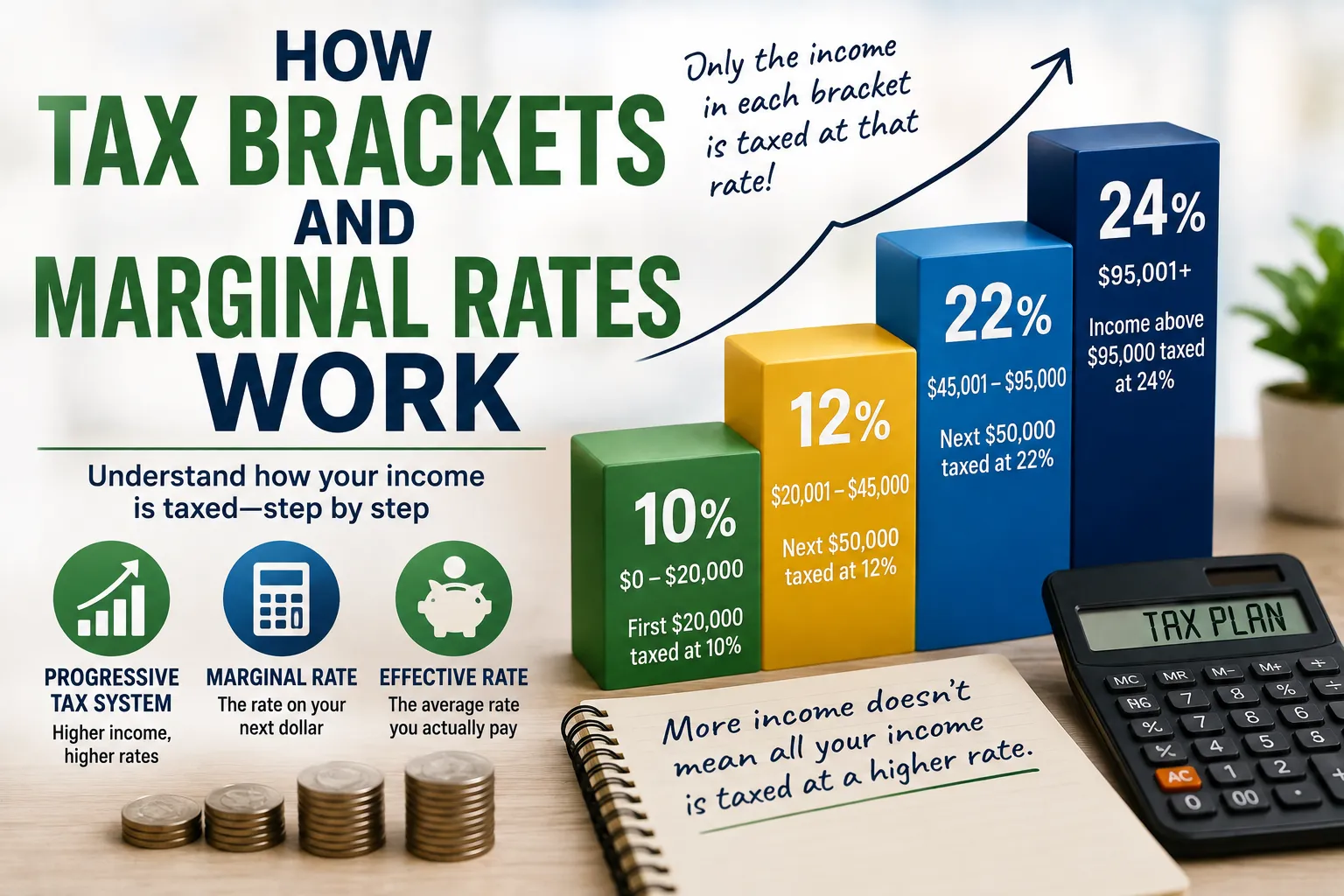
- Current tax bracket
- Expected future tax rate
- Income
- Retirement timing
- Account rules
- Employer plan availability
Don’t assume one account type is always superior.
2026 U.S. Contribution Limits as an Example
Retirement contribution limits can change annually.
For 2026, the IRS says the employee contribution limit for 401(k), 403(b), governmental 457 plans and the federal Thrift Savings Plan is $24,500. The IRA contribution limit is $7,500.
For most 401(k)-type plans, the 2026 catch-up contribution limit for people age 50 and older is $8,000, while a higher $11,250 catch-up limit applies to eligible participants aged 60 through 63 under the applicable rules.
These are U.S.-specific figures and can change in future years.
If you live elsewhere, use your country’s current retirement-account rules instead.
Don’t Ignore Fees
Investment fees can look insignificant when expressed as a percentage.
Over decades, however, fees can materially reduce the amount of money that remains invested.
Fees and expenses that appear small can have a major impact on a portfolio over time.
When reviewing retirement investments, look at:
- Fund expense ratios
- Account fees
- Advisory fees
- Trading costs
- Administrative fees
- Transaction charges
Always understand what you’re paying.
Choose Investments Based on Your Time Horizon
Retirement investing isn’t simply about finding the investment with the highest potential return.
You need to consider:
- Time until retirement
- Risk tolerance
- Financial goals
- Income needs
- Existing assets
- Tax considerations
Match investment risk to your circumstances and understand both investment risks and fees before investing.
Diversification Matters
Diversification means spreading investments across different assets rather than depending heavily on one investment.
Depending on the investor, a diversified portfolio may contain combinations of:
- Stocks
- Bonds
- Cash
- Mutual funds
- ETFs
- Other assets
The purpose is not to eliminate risk.
It’s to reduce the impact of any single investment or market segment performing badly.
Don’t Put Your Retirement in One Company
Holding a large percentage of your retirement wealth in one employer’s stock can create unnecessary concentration.
Your:
- Salary
- Career
- Benefits
- Retirement account
may already depend heavily on the same company.
If the company experiences financial problems, multiple parts of your financial life could be affected simultaneously.
Diversification can reduce that concentration risk.
Review Your Asset Allocation as Retirement Approaches
Your investment strategy may need to change as retirement gets closer.
Someone in their 20s may have decades to recover from a severe market decline.
Someone retiring next year has a much shorter recovery window.
That doesn’t mean older investors should eliminate stocks.
It means the portfolio should reflect:
- Time horizon
- Required income
- Risk capacity
- Other guaranteed income
- Market conditions
Don’t Become Too Conservative Too Early
The opposite mistake is moving almost everything into cash or very low-risk investments decades before retirement.
This may reduce volatility, but it can also reduce long-term growth potential.
Inflation can gradually erode purchasing power.
Your investment mix should therefore balance growth, stability and liquidity rather than pursuing maximum safety at every stage.
Understand Sequence-of-Returns Risk
One of the biggest risks around retirement is experiencing a major market decline early in retirement while simultaneously withdrawing money.
Imagine two retirees with identical average investment returns.
One experiences strong returns during the first several years.
The other experiences a major market downturn immediately after retiring.
If both are withdrawing money, the second retiree may have a much harder time recovering.
This is known as sequence-of-returns risk.
Why Cash Reserves Can Help
Maintaining some cash or highly liquid assets can provide flexibility during market downturns.
Instead of being forced to sell long-term investments after a major decline, you may be able to use available cash for near-term expenses.
How much liquidity you need depends on your circumstances.
The goal is not to hold excessive cash indefinitely.
It’s to ensure your short-term spending needs don’t force unnecessary investment sales at unfavorable times.
Plan for Healthcare Costs
Healthcare can become a significant retirement expense.
Consider:
- Insurance premiums
- Deductibles
- Prescription medications
- Dental care
- Vision care
- Long-term care
- Out-of-pocket expenses
Don’t assume public healthcare programs or insurance will cover every cost.
Your retirement plan should include a realistic healthcare allowance.
Long-Term Care Deserves Special Attention
A long retirement can include years when you need assistance with:
- Daily activities
- Home care
- Assisted living
- Nursing care
These expenses can be substantial.
Consider how you would fund long-term care if it became necessary.
Possible resources might include:
- Savings
- Insurance
- Investment assets
- Family resources
- Government programs, depending on eligibility and location
Plan for Housing Costs
Housing is often one of the largest retirement expenses.
Think about whether you expect to:
- Keep your current home
- Pay off your mortgage
- Downsize
- Rent
- Move closer to family
- Relocate to a lower-cost area
A paid-off home can reduce monthly expenses, but ownership still involves:
- Property taxes
- Insurance
- Maintenance
- Repairs
- Utilities
Don’t Forget Home Maintenance
A roof replacement, plumbing problem or major appliance failure can create a significant unexpected expense.
If you plan to remain in your home throughout retirement, consider creating a separate maintenance reserve.
This can prevent a major repair from forcing you to withdraw a large amount from long-term investments.
Plan for Taxes in Retirement
Taxes don’t necessarily disappear when you stop working.
Depending on where you live, retirement income may come from sources that are taxed differently.
These could include:
- Pension income
- Government benefits
- Traditional retirement accounts
- Investment income
- Capital gains
- Rental income
- Business income
Tax planning should therefore begin before retirement rather than after it.
Think About Tax Diversification
Having retirement money in accounts with different tax treatments can provide flexibility.
For example, an investor might hold a combination of:
- Tax-deferred accounts
- Tax-free or tax-advantaged accounts
- Taxable investment accounts
- Cash reserves
The exact mix depends on local rules.
The advantage is that you may have more options when deciding where to take income from each year.
Don’t Ignore Required Withdrawals
Some retirement accounts require minimum withdrawals after certain ages.
These rules vary by country and account type.
In the U.S., required minimum distribution rules can apply to certain retirement accounts.
Retirement planning calculators can help illustrate how required distributions may affect retirement income.
Don’t wait until you’re required to withdraw money before learning how the rules work.
Plan Your Withdrawal Strategy
Saving money is only half of retirement planning.
You also need a strategy for spending it.
Possible approaches include:
- Fixed annual withdrawals
- Percentage-based withdrawals
- Dynamic withdrawals based on market performance
- Income-focused strategies
- Combining portfolio withdrawals with pensions and other income
There is no universally perfect method.
The right approach depends on your portfolio, spending needs, taxes and risk tolerance.
Don’t Treat Your Retirement Portfolio Like a Bank Account
Retirement investing has a psychological challenge.
When you see your portfolio balance rise and fall, you may be tempted to react emotionally.
Selling after a market decline can lock in losses.
A better approach is to establish your withdrawal and investment strategy before volatility arrives.
Consider Guaranteed Income
Some retirees value predictable income highly.
Potential sources can include:
- Government retirement benefits
- Employer pensions
- Annuities
- Other contractual income
Guaranteed income can cover essential expenses, reducing the amount your investment portfolio needs to provide.
However, annuities and other insurance products have different fees, risks, guarantees and liquidity characteristics.
Understand the contract before purchasing one.
Separate Essential and Flexible Expenses
One useful retirement-planning technique is dividing spending into two categories.
Essential Expenses
- Housing
- Food
- Utilities
- Healthcare
- Insurance
- Basic transportation
Flexible Expenses
- Travel
- Entertainment
- Hobbies
- Luxury purchases
- Optional gifts
The distinction can help you design a more resilient withdrawal strategy.
During a market downturn, for example, flexible spending may be easier to reduce than essential expenses.
Build Multiple Retirement Scenarios
Don’t build your plan around one perfect forecast.
Instead, consider several scenarios.
Optimistic Scenario
- Strong investment returns
- Moderate inflation
- Low unexpected expenses
Base Scenario
- Moderate returns
- Normal inflation
- Expected spending
Stress Scenario
- Major market decline
- Higher inflation
- Significant healthcare costs
- Longer retirement
A plan that survives the stress scenario is generally more useful than one that works only under ideal conditions.
Plan for a Longer Life
Living longer is financially good news, but it creates a planning challenge.
If you retire at 60 and live to 95, your portfolio may need to support you for 35 years.
Don’t assume your retirement will last only 15 or 20 years.
Longevity is one reason maintaining some growth assets during retirement can remain important.
Don’t Forget Your Partner
Couples need to plan retirement together.
Discuss:
- Retirement dates
- Spending expectations
- Housing
- Healthcare
- Travel
- Family support
- Investment risk
- Inheritance
- Survivor income
Also consider what happens financially if one partner dies first.
For households managing finances together, retirement planning should fit into the wider system of shared financial decisions and responsibilities.
Plan for the Possibility of One Income Disappearing
A retirement plan should consider:
- Survivor pension benefits
- Government benefit changes
- Life insurance
- Account ownership
- Household expenses after one partner dies
Some expenses may decline after the death of a spouse, but others may remain.
The surviving partner may also lose part of the household’s income.
Consider Estate Planning
Retirement planning and estate planning overlap.
Review:
- Wills
- Beneficiary designations
- Powers of attorney
- Healthcare directives
- Trusts where appropriate
- Account ownership
- Estate taxes where applicable
Make sure beneficiary information on retirement accounts is current.
An outdated beneficiary designation can create problems even when the rest of your estate plan is properly organized.
Protect Yourself From Investment Fraud
Retirement savings can attract fraudsters because retirees may have substantial accumulated assets.
Be cautious about:
- Guaranteed high returns
- Pressure to invest immediately
- Unsolicited investment opportunities
- Complex products you don’t understand
- Requests to transfer money urgently
- Unlicensed investment professionals
Use reputable resources to check investment professionals and research investments.
If an opportunity sounds too good to be true, slow down and investigate.
Review Your Plan Every Year
Retirement planning shouldn’t be a one-time exercise.
Review your plan at least annually and after major life changes.
Check:
- Savings rate
- Investment allocation
- Account balances
- Debt
- Insurance
- Retirement date
- Spending
- Tax situation
- Beneficiaries
- Expected retirement income
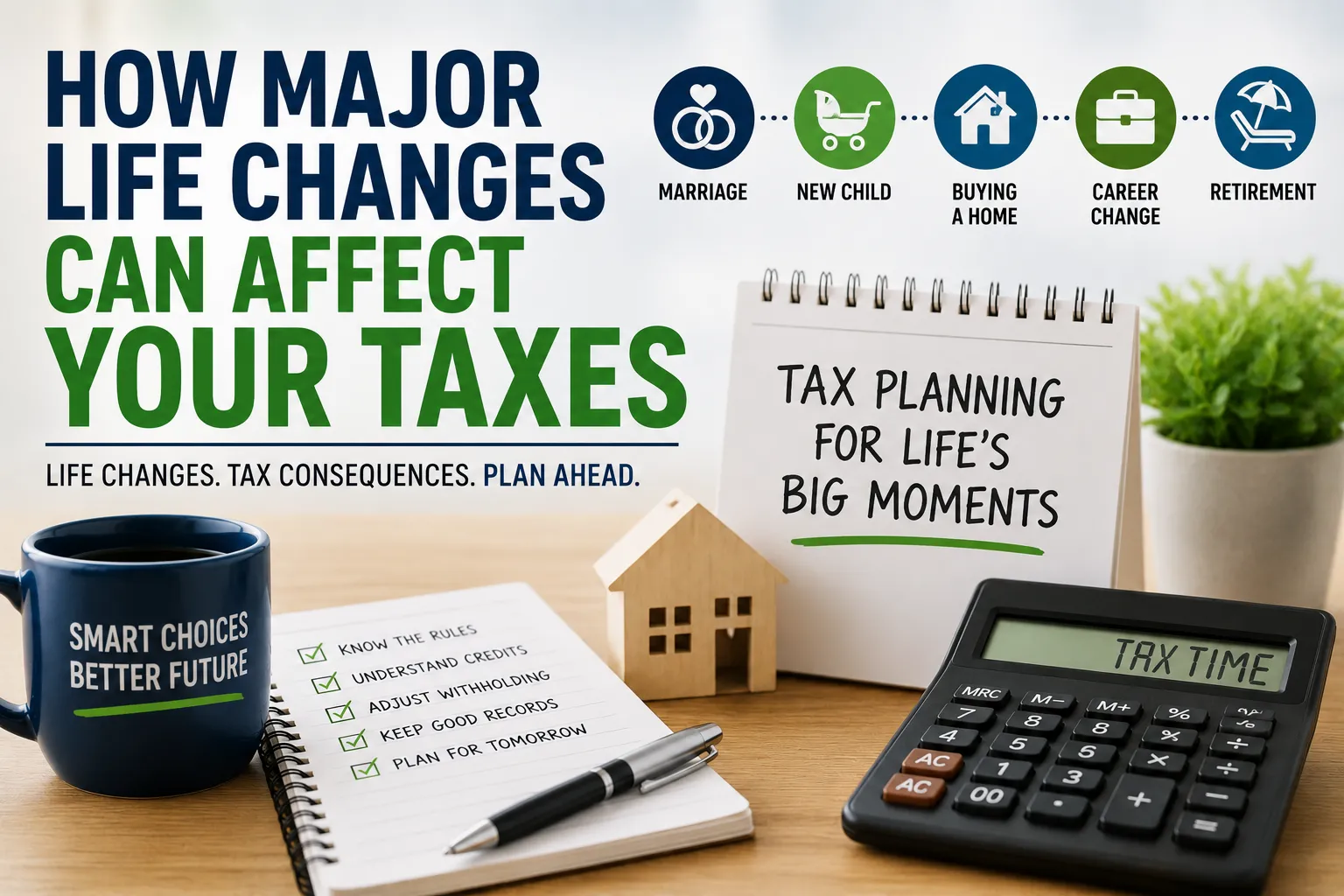
Major changes such as marriage, divorce, inheritance, job loss or starting a business should trigger a broader review.
If a major change affects your household finances, it can be useful to revisit not only your retirement strategy but also your broader household financial planning.
What to Do If You’re Starting Late
Not everyone begins retirement planning in their 20s.
If you’re starting later, don’t assume the situation is hopeless.
Focus on the variables you can still control.
Increase Savings
Save more when possible.
Delay Retirement
Additional working years can increase savings and reduce the number of years your portfolio needs to support you.
Reduce Future Expenses
Downsizing or eliminating expensive debt can reduce the amount of income you’ll need.
Review Investments
Make sure your portfolio isn’t unnecessarily expensive or poorly diversified.
Consider Additional Income
Part-time work or a small business can supplement retirement income.
Maximize Available Tax Benefits
Use retirement accounts appropriately within your local rules.
The key is turning the problem into a series of decisions rather than focusing on how much time has already passed.
What Young Adults Should Do First
If retirement feels decades away, focus on the basics.
Start Saving Early
Time is one of the biggest advantages available to younger investors.
Automate Contributions
Make saving happen before the money reaches your spending account.
Capture Employer Benefits
Use available matching contributions where applicable.
Avoid High-Interest Debt
Expensive debt can undermine long-term investing.
Invest Consistently
Avoid constantly changing strategies based on market headlines.
What People in Their 40s Should Focus On
This can be a critical stage for retirement planning.
Priorities may include:
- Increasing savings
- Reviewing investment allocation
- Paying down expensive debt
- Protecting income
- Reviewing insurance
- Estimating healthcare costs
- Calculating the retirement savings gap
You still have significant time to make adjustments, but retirement may no longer feel abstract.
What People in Their 50s Should Focus On
With retirement potentially closer, planning should become more detailed.
Consider:
- Target retirement date
- Expected retirement income
- Healthcare
- Debt
- Investment risk
- Tax strategy
- Social Security or equivalent benefits
- Estate planning
- Emergency reserves
In the U.S., catch-up contributions can provide additional retirement-saving opportunities for eligible older workers. The 2026 catch-up limit for most 401(k)-type plans is $8,000, with a higher limit for certain participants aged 60–63.
What People Near Retirement Should Focus On
The final years before retirement are about transitioning from accumulation to distribution.
Review:
- How much you actually need
- Which accounts you’ll withdraw from first
- How much cash you need
- Whether your portfolio is appropriately diversified
- When to claim government benefits
- How taxes will affect withdrawals
- Healthcare coverage
- Estate documents
This is also a good time to stress-test the plan.
A Simple Retirement Planning Formula
A useful framework is:
Retirement Goal = Expected Spending − Guaranteed Income + Financial Cushion
Then consider:
Savings Required = Retirement Income Gap + Inflation + Longevity Risk + Unexpected Costs
These aren’t precise financial formulas.
They are frameworks for thinking.
A proper retirement calculation should account for investment returns, inflation, taxes, withdrawals, longevity and other variables.
Use Retirement Calculators Carefully
Online calculators can be useful for testing assumptions.
They may include tools such as:
- Compound-interest calculators
- Savings-goal calculators
- Required minimum distribution calculators
- Social Security planning resources
- Fund-fee analysis tools
But calculators are only as good as their assumptions.
A result that says you need exactly $1.8 million shouldn’t be treated as a guaranteed target.
Change the assumptions and the result can change dramatically.
The Most Common Retirement Planning Mistakes
Waiting Too Long
Starting later means you lose valuable compounding time.
Saving Without a Target
Saving is good, but you need to know what the money is intended to accomplish.
Ignoring Inflation
Future expenses won’t necessarily resemble today’s expenses.
Underestimating Healthcare
Medical and long-term-care costs can be significant.
Taking Too Much Investment Risk
Large losses shortly before retirement can damage the plan.
Becoming Too Conservative
Excessive cash holdings can leave long-term purchasing power vulnerable to inflation.
Ignoring Fees
Small annual fees can compound into substantial costs.
Forgetting Taxes
The amount you withdraw isn’t necessarily the amount you keep.
Relying Entirely on Government Benefits
Public benefits may not cover your desired lifestyle.
Failing to Plan Withdrawals
A large portfolio doesn’t automatically produce a sustainable income.
A Practical Retirement Planning Checklist
10+ Years Before Retirement
- Define your retirement lifestyle.
- Estimate future spending.
- Build an emergency fund.
- Eliminate expensive debt.
- Automate retirement contributions.
- Capture available employer contributions.
- Review investment fees.
- Diversify investments.
5–10 Years Before Retirement
- Refine your retirement date.
- Estimate government benefits.
- Review healthcare costs.
- Stress-test your portfolio.
- Review asset allocation.
- Consider tax diversification.
- Review insurance.
1–5 Years Before Retirement
- Build a detailed retirement budget.
- Decide how you’ll generate income.
- Review withdrawal strategies.
- Evaluate debt.
- Build appropriate liquidity.
- Update estate documents.
- Review beneficiaries.
After Retirement
- Monitor spending.
- Review investment allocation.
- Manage withdrawals carefully.
- Monitor taxes.
- Reassess healthcare costs.
- Rebalance when appropriate.
- Review the plan annually.
Questions to Ask a Financial Professional
If you work with an adviser, don’t simply ask, “How much money do I need?”
Ask more detailed questions:
- What assumptions are you using?
- What happens if investment returns are lower?
- How are your fees calculated?
- What taxes should I expect?
- How would you handle a major market decline?
- How much cash should I keep?
- How will withdrawals be managed?
- What conflicts of interest exist?
- Are you a fiduciary where applicable?
- How often will we review the plan?
A good retirement plan should be understandable to the person whose future depends on it.
A Retirement Plan Should Be Flexible
No forecast can perfectly predict:
- Market returns
- Inflation
- Healthcare costs
- Life expectancy
- Tax laws
- Employment
- Family circumstances
That’s why a good retirement plan shouldn’t be rigid.
Instead, build a strategy that can adapt.
If markets fall, you may reduce discretionary spending.
If investment returns are unusually strong, you may increase spending or replenish cash reserves.
If retirement arrives earlier than expected, you may adjust your lifestyle or work part-time.
Flexibility is a financial asset.
Retirement Planning Is More Than a Number
It is tempting to reduce retirement planning to a single target such as “$1 million” or “$2 million.”
But two people with identical portfolios can have completely different levels of retirement security.
One might have:
- A paid-off home
- A pension
- Low expenses
- Modest lifestyle expectations
The other might have:
- A large mortgage
- High healthcare costs
- Expensive travel plans
- No guaranteed income
The right retirement target depends on the entire financial picture.
The Role of Compounding
Time is one of the most powerful advantages in retirement planning.
If your investments generate returns and those returns remain invested, future returns can potentially be earned on both your original contributions and previous gains.
This is the basic idea behind compound growth.
For example, investing consistently over several decades can produce substantially different results from investing the same amount only a few years before retirement.
The earlier you begin, the more time your savings have to potentially grow.
Of course, investment returns are not guaranteed, and markets can decline.
Why Consistency Often Beats Perfection
You don’t need to perfectly predict:
- The next market crash
- The best stock
- The next interest-rate decision
- The strongest-performing sector
A disciplined process can be more useful.
Save regularly.
Invest appropriately.
Keep costs under control.
Diversify.
Review your plan.
Adjust when circumstances change.
This is less exciting than trying to predict the market, but it is often more sustainable.
Your Retirement Plan Should Reflect Real Life
The strongest retirement plans aren’t built around unrealistic assumptions.
They account for:
- Unexpected expenses
- Market volatility
- Inflation
- Healthcare
- Taxes
- Longer-than-expected lives
- Changing family circumstances
The objective isn’t to predict the future perfectly.
It’s to make sure you’re financially prepared for several plausible versions of it.
Build the Plan Before You Need It
Successful retirement planning starts with a clear picture of the life you want to finance.
Estimate your expenses. Identify your income sources. Save consistently. Take advantage of appropriate tax-advantaged accounts. Invest according to your time horizon and risk tolerance. Keep an eye on fees. Prepare for healthcare and inflation. Develop a withdrawal strategy before retirement rather than improvising once the paychecks stop.
Most importantly, revisit the plan as your life changes.
Retirement isn’t a single financial event. It’s a transition that can last decades, and the decisions you make before leaving work can shape how much freedom you have afterward.
The goal isn’t simply to accumulate a large retirement balance. It’s to build a financial system that can support the life you want, withstand unexpected setbacks and give you choices when work is no longer your primary source of income.