Why Tax Planning Should Happen Before Tax Season
Tax season often arrives with a familiar sense of urgency. People start gathering receipts, reviewing income statements, searching for deductions, and trying to determine whether they owe money or will receive a refund.
But many of the decisions that influence a tax bill happen long before a tax return is prepared.
That is why tax planning should happen before tax season. Planning throughout the year gives individuals and families more time to understand their financial position, prepare for tax obligations, identify potential opportunities, and avoid last-minute surprises.
Tax preparation looks backward at what already happened. Tax planning looks ahead at what can still be managed.
Understanding that difference can make tax management a more deliberate part of personal financial planning rather than an annual scramble.
What Is Tax Planning?
Tax planning is the process of organizing financial decisions with potential tax consequences in mind.
It can involve reviewing:
- Income
- Employment changes
- Investments
- Retirement contributions
- Business income
- Major purchases
- Charitable giving
- Tax deductions
- Tax credits
- Withholding
- Estimated tax payments
- Capital gains and losses
- Changes in family circumstances
The objective is not simply to reduce taxes at any cost. Good tax planning considers the broader financial picture and helps people understand how different decisions may affect their tax obligations.
A broader overview of the subject is available in the Complete Guide to Personal Taxes and Tax Planning.
Tax Preparation and Tax Planning Are Different
The terms are sometimes used interchangeably, but they describe different activities.
Tax preparation generally involves collecting financial records, calculating taxable amounts, completing the required return, and reporting information to the relevant tax authority.
Tax planning happens before those steps.
Planning may involve estimating future taxable income, reviewing withholding, considering eligible contributions, organizing records, or evaluating the potential tax consequences of a financial decision.
The distinction is important because some opportunities disappear once the relevant transaction or financial event has already occurred.
Why Waiting Until Tax Season Can Be a Problem
Waiting until tax season to think about taxes can limit the choices available.
By the time someone begins preparing a return, the previous year’s income and most financial transactions have already happened.
There may be little opportunity to change those circumstances.
For example, someone who reviews their finances months before the end of a tax year may have time to:
- Adjust withholding
- Make eligible contributions
- Organize records
- Review investment transactions
- Estimate tax liability
- Set aside money for taxes
- Seek professional advice
- Consider the tax implications of upcoming decisions
Someone who waits until filing time may only be able to document what already happened.
Tax Planning Can Reduce Surprises
One of the biggest benefits of planning ahead is gaining a clearer idea of what may be owed.
A person can have a strong income year and still be surprised by their eventual tax liability if they do not periodically review their situation.
This can happen when:
- Income increases
- Multiple income sources are involved
- Investment gains occur
- Self-employment income changes
- Withholding does not match the eventual liability
- Certain deductions or credits change
- A major financial transaction takes place
Regular estimates can help identify potential gaps before they become urgent.
Income Changes Can Affect Tax Planning
Income is one of the most important variables in tax planning.
A person’s financial situation may change because of:
- A new job
- A salary increase
- A bonus
- Overtime
- Freelance work
- Self-employment
- Rental income
- Investment income
- A business expansion
- A change in working hours
Someone with one predictable salary may have a relatively straightforward tax situation. Someone receiving income from several sources may need more frequent reviews.
When income changes, tax planning can help determine whether withholding or estimated payments should also be reconsidered.
Planning Is Especially Important With Multiple Income Sources
People increasingly earn money from more than one source.
An individual might have employment income while also receiving freelance payments, investment income, rental income, or business revenue.
Each source can have different tax treatment and recordkeeping requirements.
Rather than waiting until tax season to add everything together, it can be useful to maintain records throughout the year.
This makes it easier to monitor total income and identify areas that may require attention.
Tax Planning Can Help With Cash Flow
Taxes are also a cash-flow issue.
A tax bill can become difficult to manage when someone discovers it only after spending most of the money earned during the year.
Planning ahead can allow a person to estimate potential obligations and set aside funds gradually.
For someone with variable income, this can be particularly useful.
Instead of treating a tax bill as an unexpected annual expense, tax planning can make it part of the regular household or business budget.
Deductions and Credits Require Attention
Tax deductions and tax credits can affect the amount of tax a person ultimately owes, but their eligibility depends on applicable rules and individual circumstances.
Some opportunities may require documentation or specific qualifying actions.
This is one reason it is useful to understand potential deductions and credits before tax season.
The Complete Guide to Tax Deductions and Credits provides a broader framework for understanding how these two categories can affect tax calculations.
Planning early also gives taxpayers time to locate missing records rather than attempting to reconstruct everything at the last minute.
Keep Records Throughout the Year
Good tax planning depends heavily on good recordkeeping.
Important documents may include:
- Income statements
- Receipts
- Invoices
- Investment records
- Donation records
- Business expenses
- Property records
- Contribution confirmations
- Relevant financial statements
The exact records required depend on the individual’s circumstances and applicable tax rules.
Organizing them throughout the year can make tax preparation considerably easier.
A simple digital folder or organized filing system can prevent months of documents from becoming a last-minute project.
Review Withholding Before the End of the Year
Employees who have taxes withheld from their paychecks may want to periodically review whether the amount being withheld remains appropriate for their circumstances.
Changes in income, employment, family circumstances, or other financial factors can affect the overall tax picture.
Reviewing withholding earlier provides more time to make adjustments where appropriate.
Waiting until the tax return is prepared may reveal a mismatch, but it comes too late to change withholding for income that has already been earned.
Estimated Tax Payments Can Require Planning
People who receive income without sufficient withholding may have estimated tax obligations depending on their circumstances and applicable rules.
This can include some self-employed individuals, investors, landlords, and people with other forms of income.
The important point is that estimated taxes are a year-round planning issue, not simply a tax-season task.
Maintaining income and expense records can make it easier to estimate obligations as the year progresses.
For a practical look at organizing tax decisions beyond filing season, see How to Plan Taxes Throughout the Year.
Investment Decisions Can Have Tax Consequences
Investment activity can also affect tax planning.
Selling an investment for a gain or loss may create tax consequences, depending on the circumstances and applicable rules.
Investors may therefore benefit from reviewing their portfolios with both investment objectives and potential tax consequences in mind.
Important considerations can include:
- Purchase price
- Sale price
- Holding period
- Realized gains
- Realized losses
- Other investment income
- Applicable tax treatment
Tax considerations should not necessarily determine every investment decision, but ignoring them completely can create unnecessary surprises.
Major Life Changes Should Trigger a Tax Review
Certain life events can significantly change a person’s tax situation.
Examples may include:
- Starting a new job
- Leaving a job
- Getting married
- Divorce
- Having a child
- Buying or selling property
- Starting a business
- Retiring
- Receiving an inheritance
- Moving between jurisdictions
- Making substantial investments
The tax implications vary depending on the circumstances and applicable laws.
The important planning principle is simple: when your financial life changes, review your tax situation rather than assuming last year’s strategy still applies.
Business Owners Need Tax Planning Earlier
Tax planning can be particularly important for self-employed people and business owners.
Business finances can involve:
- Revenue
- Operating expenses
- Payroll
- Equipment purchases
- Business-use assets
- Contractor payments
- Retirement contributions
- Estimated taxes
- Cash reserves
Business owners may also have to distinguish personal and business finances carefully.
Waiting until tax season to organize these records can make the process much more complicated.
Regular financial reviews allow business owners to monitor profitability and consider tax obligations alongside broader cash-flow needs.
Retirement Planning and Taxes Are Connected
Retirement planning and tax planning often overlap.
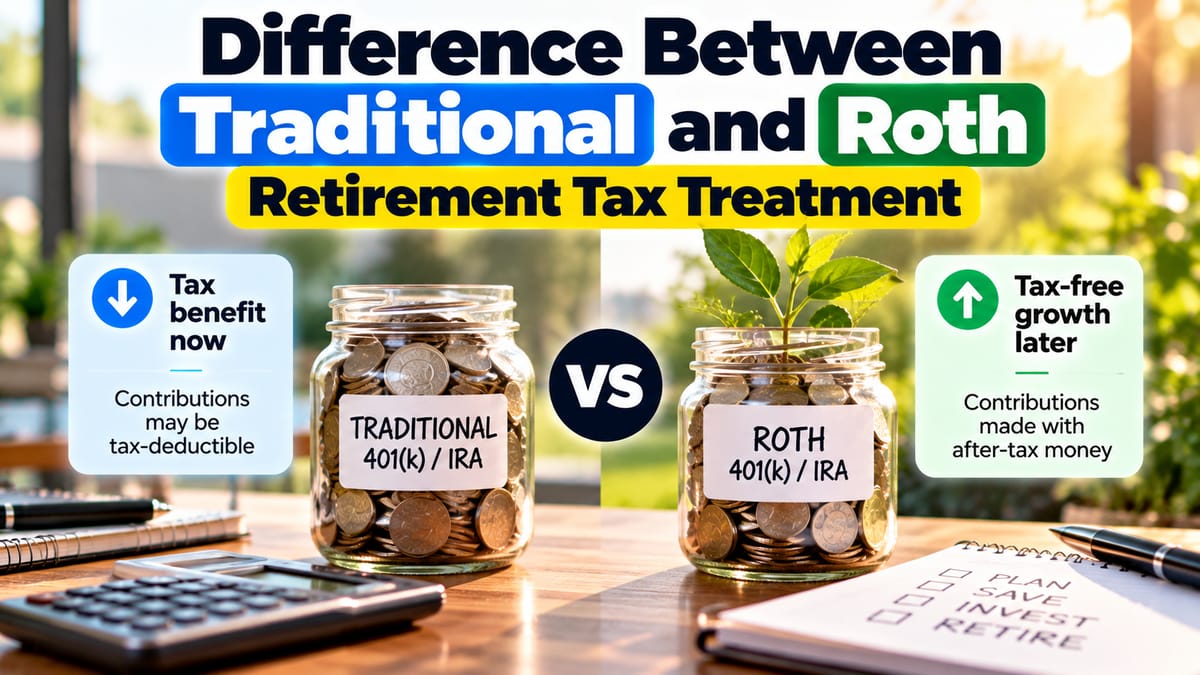
Different retirement accounts and contribution strategies can have different tax characteristics.
The relevant considerations may include:
- Current income
- Contribution eligibility
- Contribution limits
- Current tax treatment
- Future withdrawals
- Employer contributions
- Long-term retirement goals
The best approach depends on individual circumstances and applicable rules.
The key point is that retirement contributions are financial decisions that may have tax implications, so they are worth considering before tax season rather than after the tax return has already been filed.
Tax Planning Can Support Long-Term Financial Goals
Taxes should not be considered separately from the rest of a financial plan.
A decision that reduces taxes in one year may not necessarily be the best choice for someone’s broader financial objectives.
For example, a financial decision can affect:
- Cash flow
- Retirement savings
- Investment growth
- Debt repayment
- Emergency savings
- Business capital
- Estate planning
A tax-aware approach considers these factors together.
How to Build a Tax-Aware Financial Plan explores how tax considerations can be incorporated into broader financial decision-making.
Review Your Tax Situation During the Year
Tax planning does not require constant attention.
A periodic review can be enough for many people, while those with complex or changing financial circumstances may need more frequent reviews.
A useful review might examine:
Income
Has your income changed compared with expectations?
Withholding
Are current withholding arrangements still appropriate?
Investments
Have you sold investments or received additional investment income?
Contributions
Have you made relevant retirement or other eligible contributions?
Expenses
Are there records of potentially relevant expenses?
Life Changes
Have major personal or financial circumstances changed?
Future Decisions
Are there upcoming transactions that could have tax implications?
These questions can help identify issues while there is still time to address them.
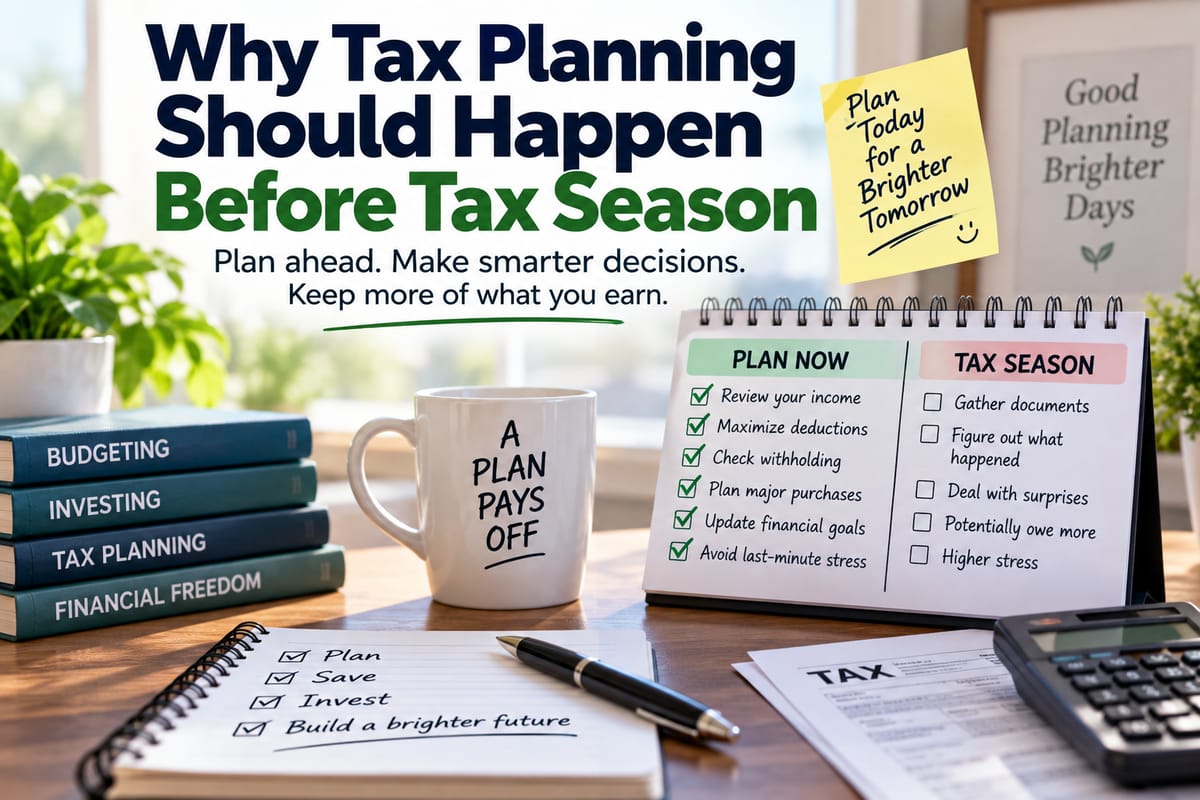
Start With a Tax Calendar
A tax calendar can make planning easier.
Instead of thinking about taxes once a year, divide responsibilities into smaller checkpoints.
For example:
Early in the year: Review the previous tax return and identify areas that need improvement.
Throughout the year: Track income, expenses, contributions, and relevant financial transactions.
Midyear: Estimate tax liability and review withholding or estimated payments.
Before year-end: Review potential year-end decisions and make sure important records are organized.
During tax season: Prepare and file the return using the records accumulated throughout the year.
The exact dates and requirements depend on the applicable tax jurisdiction and individual circumstances.
Don’t Confuse a Tax Refund With Tax Savings
A tax refund can feel like a financial gain, but it generally represents money that was previously paid toward taxes and is now being returned.
A large refund does not necessarily mean someone paid less tax overall.
Likewise, owing money when filing does not automatically mean someone paid too much tax during the year.
Tax planning focuses on the overall tax position rather than simply maximizing a refund.
For many people, predictable cash flow and an appropriate level of withholding can be more useful than treating a large annual refund as a savings strategy.
Avoid Last-Minute Financial Decisions
Tax season can create pressure to make rushed financial decisions.
Someone may discover that a particular transaction could have tax implications and then attempt to make a quick decision without considering the broader consequences.
Planning earlier allows time to understand the alternatives.
Before making a significant financial move, consider:
- The potential tax consequences
- The effect on cash flow
- The impact on long-term goals
- Available alternatives
- Applicable deadlines
- Required documentation
For complex situations, professional tax or financial advice may be appropriate.
Use Last Year’s Tax Return as a Planning Tool
A previous tax return can provide useful information for planning the next tax year.
It may reveal:
- Major sources of income
- Common deductions
- Credits previously claimed
- Investment activity
- Tax payments
- Areas where records were difficult to obtain
- Changes that may need attention
Rather than filing the return away and forgetting about it, taxpayers can use it as a starting point for the next year’s planning.
Common Tax Planning Mistakes
Several mistakes can make tax planning less effective.
Waiting Until Filing Season
By then, many opportunities to plan ahead may have already passed.
Ignoring Small Changes
Small increases in income or changes in circumstances can become significant when they occur repeatedly.
Poor Recordkeeping
Missing documentation can make it difficult to substantiate relevant items.
Focusing Only on Refunds
A refund is not the same thing as overall tax savings.
Making Decisions Based on Headlines
Tax rules can be complicated, and general advice may not apply to every taxpayer.
Forgetting About Investments
Investment activity can create tax consequences that are easy to overlook.
Treating Taxes as Separate From Financial Planning
Tax decisions can affect savings, investments, retirement, and cash flow.
A Simple Pre-Tax-Season Planning Checklist
Before tax season arrives, consider reviewing:
- Income from all relevant sources
- Current withholding
- Estimated tax payments, where applicable
- Investment transactions
- Retirement contributions
- Potential deductions
- Potential credits
- Business income and expenses
- Charitable contributions
- Major life changes
- Property transactions
- Important financial records
- Changes from the previous tax year
- Upcoming financial decisions
The checklist does not replace professional advice or the specific requirements of a tax jurisdiction, but it can help identify areas that deserve attention.
Make Tax Planning Part of the Financial Routine
The biggest advantage of planning before tax season is time.
Time provides an opportunity to identify problems, gather documentation, estimate obligations, consider alternatives, and make informed financial decisions before deadlines arrive.
Tax planning does not mean trying to predict every future tax rule or finding a complicated strategy for every situation. For many households, it begins with simple habits: track income, organize records, review withholding, understand potential deductions and credits, and consider tax implications before making major financial decisions.
When taxes become part of the financial routine rather than an annual emergency, tax season becomes less about discovering what happened and more about completing a process that has been prepared for throughout the year.